Candlepin bowling is a lesser-known but deeply cherished variation of the traditional game. Popular in parts of New England and Eastern Canada, it stands apart from ten-pin and duckpin styles with its distinct rules, equipment, and pace. Unlike larger bowling forms, candlepin uses tall, narrow pins that resemble candles—hence the name. The balls are smaller too, about the size of a softball, and lack finger holes. This makes gripping and aiming more difficult. As a result, candlepin bowling demands precision, patience, and adaptability.
Moreover, each frame allows three rolls instead of two. This increases scoring chances but also raises complexity. Because the pins don’t reset between throws, players must adjust their strategy after every roll. There’s no sweeping motion or heavy impact—just subtle angles and calculated decisions. This guide explores the history, mechanics, regional popularity, and modern revival of candlepin bowling.
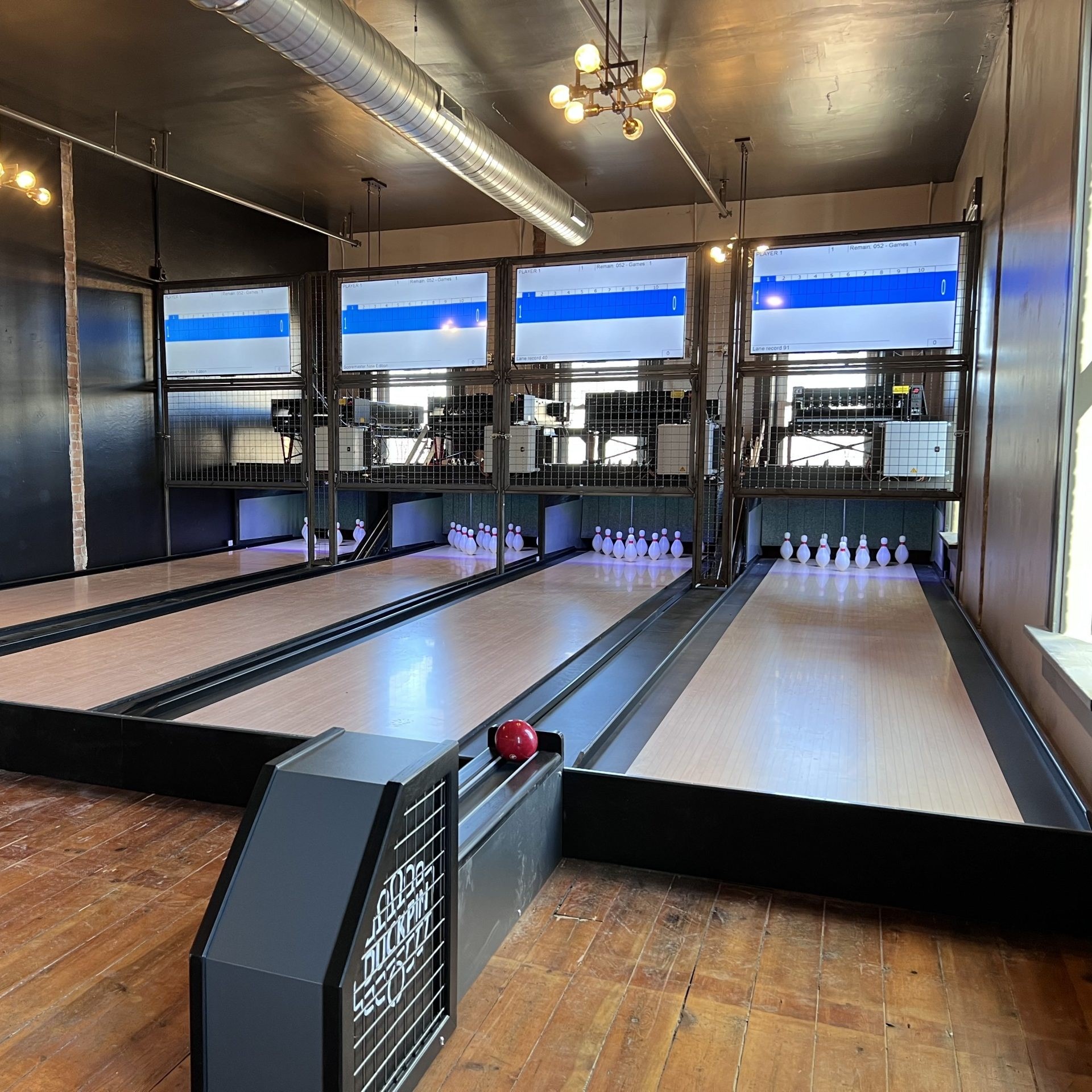 Origins and Regional Popularity
How It Began in New England and Spread Through Tradition
Candlepin bowling originated in the late 19th century. It was invented in Worcester, Massachusetts, around 1880 by a man named Justin White. He designed it as a safer alternative to ten-pin bowling for indoor use in crowded spaces. Since then, it has remained strongest in Maine, New Hampshire, Vermont, and parts of Quebec.
The sport grew through family-owned alleys and community leagues. Small towns built lanes inside recreation centers or basements. These local spots became social hubs. Parents introduced kids to the game during weekend outings. Schools even hosted youth programs. Over time, candlepin became part of regional identity.
Unlike flashier versions, it stayed low-key and accessible. Equipment costs were lower. Maintenance was simpler. This allowed independent operators to thrive. Even today, many candlepin alleys avoid flashy lighting or loud music. They preserve the quiet focus of the game.
Television coverage was rare. Still, word-of-mouth kept it alive. Generations passed down techniques at birthday parties and retirement events. Some families have played together for over 50 years.
Now, nostalgia fuels interest beyond its core regions. Online videos and documentaries spark curiosity. Candlepin bowling continues to attract new fans who value tradition and challenge.
Equipment That Sets It Apart
The Design of Balls, Pins, and Lanes
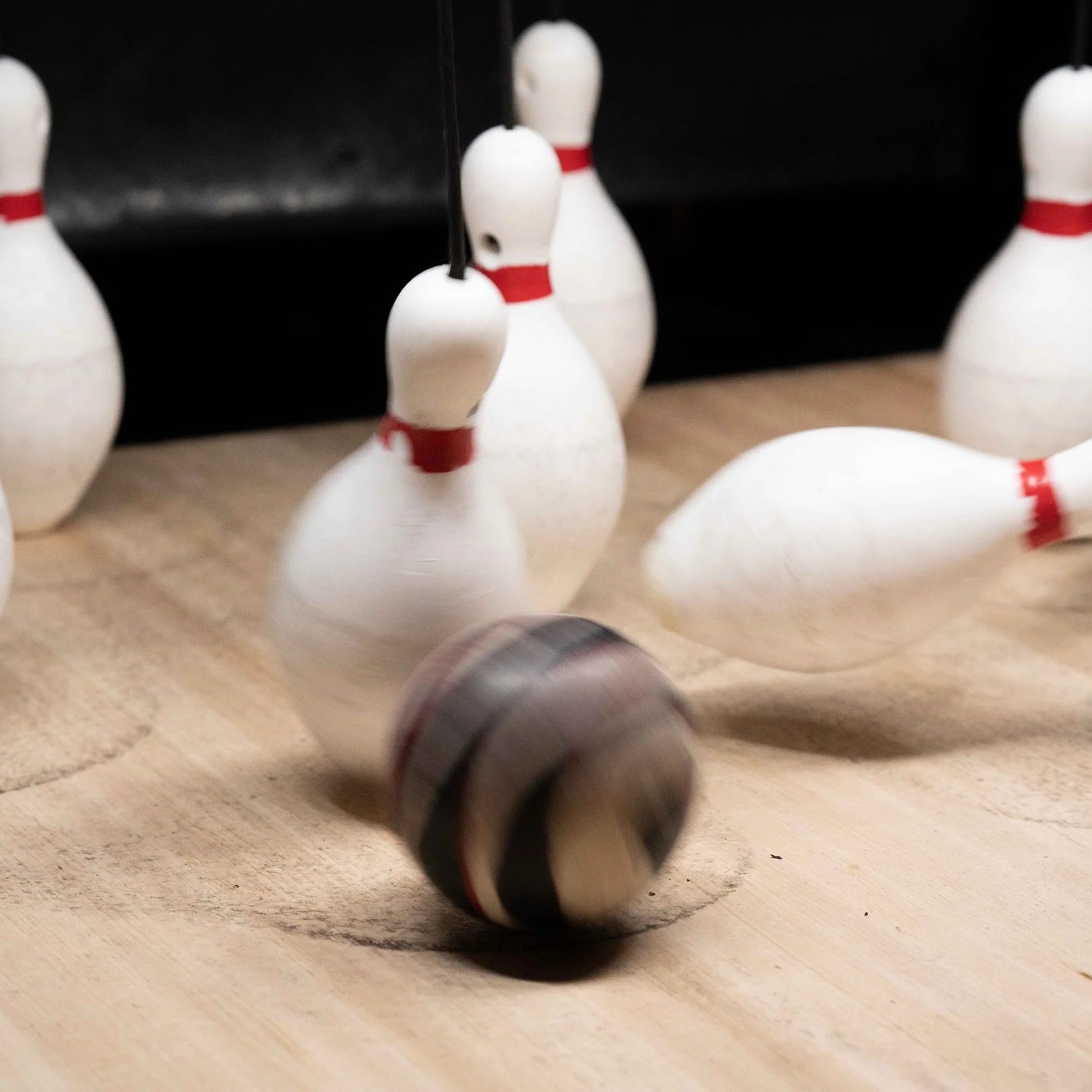
The most noticeable difference in candlepin bowling is the ball. It measures just 4.5 inches in diameter—about the size of a large grapefruit. Most weigh between 2.5 and 2.8 pounds. Crucially, they have no finger holes. Players grip them in the palm or between fingers. This limits spin and power.
Pins stand 15.75 inches tall and are thinner than ten-pins. Their shape tapers slightly toward the top. Each weighs only 2.8 pounds. Because they’re lighter, they rarely knock each other down cleanly. This leads to scattered pin decks and tricky spare situations.
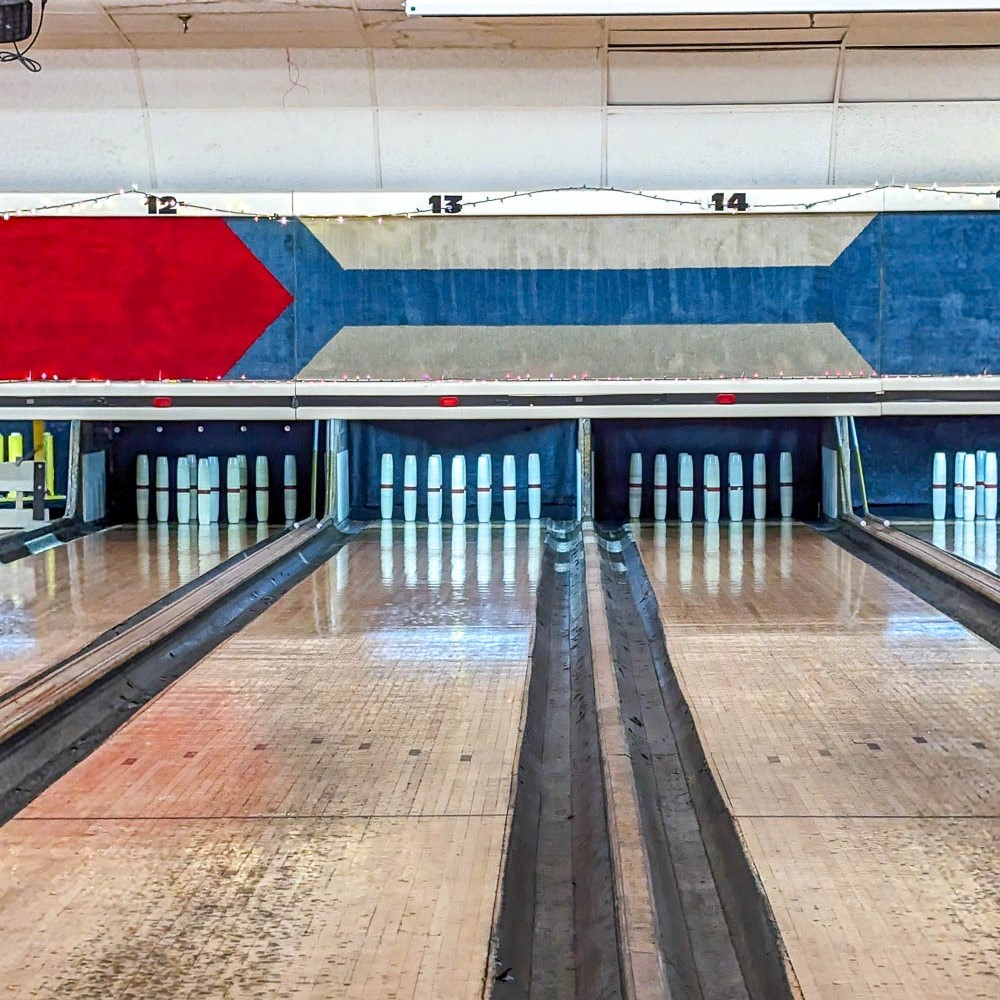
Lanes are similar in length to ten-pin—60 feet from foul line to headpin. However, lane surfaces differ. Many candlepin alleys use harder maple wood. Synthetic overlays appear in newer installations. Oil patterns are usually lighter than in other forms. This reduces hook potential and favors straighter shots.
Pin-setting machines evolved separately. Early models used manual resetting. Today, automated systems work like those in ten-pin—but adapted for the unique pin shape. They operate more slowly due to the need for careful placement.
This specialized equipment creates a slower-paced, thoughtful experience. Success comes not from force, but from consistency and finesse. Every throw in candlepin bowling feels deliberate.
 Rules and Gameplay Differences
Understanding Three Rolls, No Re-Racking, and Scoring
One key rule defines candlepin bowling: three rolls per frame. After the first throw, any remaining pins stay where they fall. The second roll attempts to clear more. Only after the third roll do pins reset. This changes how players think about each turn.
There is no re-racking. Fallen pins remain on the lane unless removed manually. These “dead wood” pieces can help or hinder. Skilled bowlers aim to use them strategically. A soft roll might bounce a standing pin into another. This requires excellent control.
Scoring works differently too. Each fallen pin equals one point. If you knock down all ten pins in one roll, it’s called a “strike.” But because the ball is small, true strikes are rare. More often, players earn “ten-boxes”—clearing the deck across two or three throws. These count as ten points plus bonuses based on next-frame performance.
Spares give extra points based on subsequent rolls. However, tracking this takes attention. Scorekeepers often write by hand. Digital boards exist, but many alleys keep paper scorecards. This adds a tactile element to the game.
Because of these rules, high scores are much lower than in ten-pin. Average games range from 70 to 120. Perfect games are extremely rare. The highest possible score—300—is almost mythical. Few have ever achieved it.
Why It’s Considered More Difficult Than Other Forms
Challenges of Accuracy, Ball Control, and Pin Scatter
Candlepin bowling is widely seen as more challenging than ten-pin. The small ball offers minimal momentum. Without finger holes, players can’t generate strong revs. This limits hook and power. As a result, knocking down pins relies heavily on accuracy.
Pin design adds difficulty. Tall and thin, they tend to wobble rather than fall cleanly. When hit off-center, they often spin in place. This leaves frustrating splits. Even good throws may leave two or three pins standing far apart.
Dead wood further complicates play. Fallen pins can block paths or create unpredictable rebounds. A rolling pin might knock down a target—or deflect your ball away. Reading the deck becomes essential. Players must react quickly and wisely.
The three-roll system helps, but doesn’t eliminate frustration. First throws often scatter pins widely. Second rolls attempt cleanup. Third tries salvage points. This forces constant adjustment.
Beginners often struggle to score above 50. Even experienced players see wide swings in performance. Humility is part of the culture. Laughing at gutter balls is expected.
Yet this difficulty builds deep respect. Mastering candlepin bowling means mastering patience, focus, and subtle movement.
 Youth Programs and Community Leagues
How Local Centers Keep the Game Alive
Community involvement keeps candlepin bowling thriving. Many alleys host junior leagues for children ages 8 to 16. These programs teach fundamentals while promoting sportsmanship. Kids learn how to hold the ball, approach the line, and calculate angles.
Coaches emphasize fun over competition. Weekly matches include mini-games like “knock out” or “target pin.” Prizes include trophies, gift cards, or free game passes. Some alleys offer pizza nights or holiday tournaments.
Adult leagues run year-round. Teams form through workplaces, churches, or neighborhoods. Matches occur weekly, often on weekday evenings. Socializing matters as much as scoring. Laughter echoes down the lanes.
Some alleys partner with schools. Physical education teachers bring students for field trips. They combine exercise with math skills—scoring involves addition and memory. Students record frames by hand.
Tournaments draw serious competitors. State championships in Maine and New Hampshire attract top talent. Prize pools grow each year. Broadcasts on local cable channels raise visibility.
These efforts ensure candlepin bowling remains relevant. Grassroots support sustains what big marketing cannot.
Modern Revival and Growing Interest
How Nostalgia and Media Are Bringing It Back
In recent years, candlepin bowling has seen renewed interest. Young adults raised on video games now seek analog experiences. They crave real interaction and physical skill. This shift benefits niche sports like candlepin bowling.
Social media plays a role. TikTok and Instagram feature clips of impressive three-roll clears. Hashtags like #CandlepinChallenge encourage participation. Viewers watch in awe as players use dead wood creatively.
Documentaries and YouTube series explore its history. Interviews with lifelong bowlers highlight personal stories. One film followed a 90-year-old woman who bowled every Tuesday for 60 years. Her dedication inspired thousands.
Pop-up events appear in cities outside the Northeast. Temporary lanes pop up at fairs, breweries, and shopping malls. Attendees try the game for the first time. Many walk away impressed by its depth.
Merchandise sales rise. T-shirts, mugs, and vintage-style posters sell online. Some brands now produce replica balls and home sets. These allow practice without visiting an alley.
Even app developers get involved. Mobile games simulate candlepin physics. While not the same, they introduce rules and strategy. This digital bridge brings new players to real lanes.
All signs point to growth. Candlepin bowling is no longer fading—it’s finding fresh life.
Frequently Asked Questions
Answering Common Player Concerns
Is candlepin bowling still played anywhere?
Yes. Over 30 alleys in New England and Quebec offer it regularly. Some locations open daily. Others host special nights.
Can I rent equipment?
Absolutely. All alleys provide balls and shoes. Sizes fit children and adults. Staff assist first-timers.
Are the rules hard to learn?
Basic scoring is simple. Watching one frame explains most of it. Handouts and tutorials help beginners.
Why are the balls so small?
They were designed for safety and accessibility. No finger holes make them easier to share.
Can I convert from ten-pin easily?
Not immediately. Adjustments take time. Focus on smooth delivery and consistent release.
These answers help newcomers feel welcome in the world of candlepin bowling.
 Summary
Final Thoughts on Preserving a Cultural Treasure
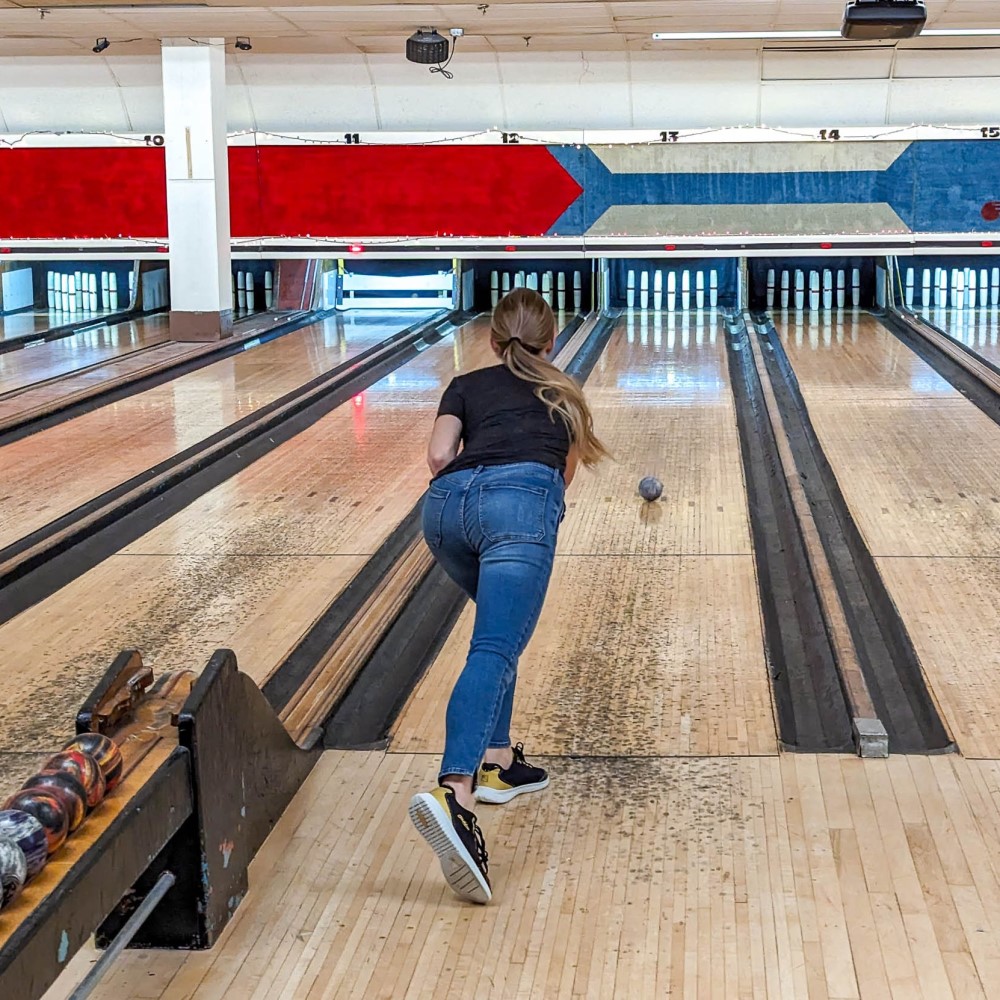
Candlepin bowling is more than a game. It’s a living piece of regional heritage. Its slow pace, unique rules, and reliance on skill set it apart. In an age of speed and automation, it offers something rare—a thoughtful, human-centered pastime.
From family outings to league nights, it fosters connection. It rewards patience over power. It respects tradition while adapting to new audiences.
As younger generations discover its charm, candlepin bowling gains momentum. Support local alleys. Try it with friends. Share your story.
Whether you’re drawn by nostalgia, challenge, or community, candlepin bowling welcomes you. And in preserving it, we honor a truly American original. Long live the legacy of candlepin bowling.
