Keeping your equipment in top shape is essential for any serious bowler. One of the most important maintenance tasks is knowing how to clean a bowling ball. Over time, oil, dirt, and lane residue build up on the surface. This buildup affects how the ball hooks, rolls, and responds during play. As a result, your accuracy and power can suffer without you even realizing it.
Learning how to clean a bowling ball properly helps maintain its performance and extends its life. Whether you bowl weekly or compete in leagues, regular cleaning makes a big difference. You don’t need expensive tools—just the right products and techniques. This guide walks you through every step, from quick wipes to deep sanitizing. With consistent care, your ball will roll smoother, hook more predictably, and stay like new for years.
 Understanding Why Cleaning Matters
The Impact of Lane Oil and Residue
Lane oil is the main reason you need to know how to clean a bowling ball. Bowling centers apply oil to protect wooden or synthetic lanes. However, this oil transfers to your ball with every throw. Over time, it soaks into the coverstock—the outer layer of the ball.
When oil builds up, it changes how the ball reacts on the lane. A dirty ball won’t grip the dry part of the lane as well. This reduces hook potential and control. You might notice inconsistent shots or weak finishes at the pins.
Besides oil, dirt, dust, and hand sweat also stick to the surface. These contaminants create an uneven texture. They can cause the ball to wobble or skid unexpectedly. Even fingerprints affect friction if left too long.
Moreover, moisture from humid environments softens some ball materials. This increases wear and may lead to micro-cracks. Regular cleaning removes harmful buildup before damage occurs.
Another benefit is hygiene. Shared balls or house balls carry germs. Cleaning kills bacteria and keeps your hands safe.
Ultimately, a clean ball performs better. It gives you reliable feedback and confidence in your game.
Gathering the Right Supplies
What You Need Before You Start
Before you begin learning how to clean a bowling ball, collect the proper tools. Using the wrong items can scratch or damage the surface. Start with a microfiber towel. It lifts grime without leaving lint or streaks. Keep several on hand for different steps.
Next, get a ball cleaner designed for bowling use. These are available online or at pro shops. Look for formulas labeled “coverstock-safe” or “reactive resin approved.” Avoid household cleaners like Windex or bleach—they strip protective layers.
For deeper cleaning, use a ball rejuvenator. This removes oil trapped below the surface. Apply it sparingly and follow package directions. Some bowlers use rubbing alcohol (70% isopropyl), but only for occasional use.
A soft-bristled brush helps reach pores and finger holes. Choose one with non-metal bristles to avoid scratches. Use it gently around the thumb and finger grips.
Gloves keep your hands clean during the process. They also prevent new oils from transferring back onto the ball.
Store everything in a small kit. Bring it to the alley for post-game touch-ups. Quick wipes after each session reduce long-term buildup.
Having the right supplies ready saves time and protects your investment.
 Step-by-Step Cleaning Process
A Simple Routine After Every Game
Now that you know why it matters, let’s go over how to clean a bowling ball step by step. Begin right after your last frame. Wipe the surface with a dry microfiber cloth. Remove loose debris and excess oil.
Next, spray a small amount of bowling ball cleaner onto another section of the cloth. Never spray directly onto the ball. Moisture can seep into the core and damage internal parts.
Rub the dampened cloth over the entire surface. Use circular motions to cover all areas. Pay extra attention to spots that feel sticky or look dark. These usually hold the most oil.
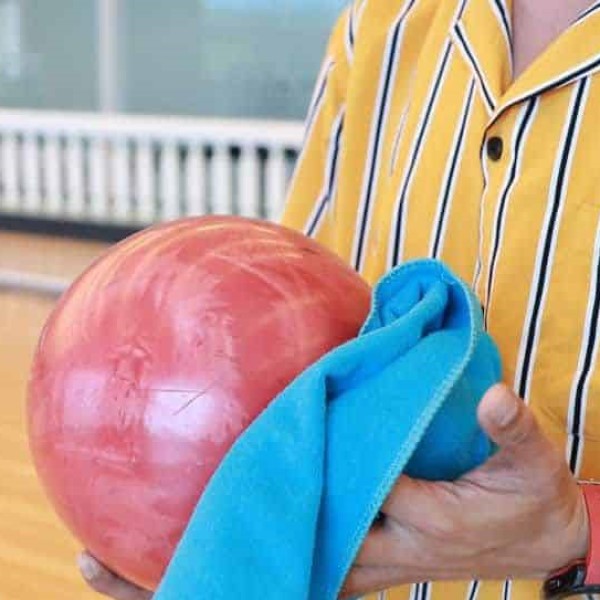
After wiping, switch to a clean, dry towel. Buff the ball until no residue remains. The surface should feel smooth and slightly tacky—not greasy.
Use the soft brush to clean inside the finger and thumb holes. Dirt collects here quickly. Gently scrub around the edges. Wipe dry immediately.
Inspect the ball under good lighting. Look for dull patches or discoloration. If needed, repeat the process.
Finally, store the ball in its bag. Keep it away from extreme heat or cold. Avoid leaving it in a car overnight.
This routine takes less than five minutes. Yet, it greatly improves performance and durability.
Deep Cleaning for Weekly Maintenance
Going Beyond Surface Wipes
While daily wiping helps, a deeper clean is needed weekly. This is especially true if you bowl multiple times per week. How to clean a bowling ball thoroughly involves removing absorbed oil.
Start by preparing your workspace. Use a flat, clean surface. Cover it with paper towels or a mat. Have all supplies within reach.
Apply a few drops of ball rejuvenator to a microfiber cloth. Spread it evenly across the ball. Focus on the track area—the path the ball rolls on. This part absorbs the most oil.
Let the solution sit for 5–10 minutes. Do not leave it longer. Extended exposure can dry out reactive coverstocks.
Wipe off the rejuvenator with a clean cloth. Use firm pressure to lift out grime. You may see dark marks on the towel. This means the cleaning worked.
Repeat if necessary. Some balls need two rounds for full restoration.
Rinse the ball with a damp (not wet) cloth if using alcohol-based solutions. Then dry completely.
Check finger holes again. Use cotton swabs to clean corners. Replace inserts if cracked or worn.
Deep cleaning once a week keeps your ball responsive. It restores original hook strength and shine.
 Drying and Storing Your Ball
Preventing Damage After Cleaning
Drying is a crucial part of how to clean a bowling ball. Never put a damp ball back in its bag. Moisture breeds mold and weakens the core. Always air-dry for at least 15 minutes after washing.
Place the ball on a clean towel in a room-temperature area. Avoid direct sunlight or heaters. UV rays and high heat warp the surface over time.
Rotate the ball occasionally. This ensures all sides dry evenly. Don’t stack other items on top. Pressure can cause dents or misshaping.
Once dry, inspect the surface again. Look for water spots or sticky areas. Re-wipe if needed.
Store the ball in a ventilated bag. Avoid sealed plastic containers. Trapped air leads to condensation.
Keep it in a closet or gear locker. Stay away from garages or basements with humidity swings. Stable conditions preserve quality.
If you have multiple balls, label each bag. This prevents mix-ups and cross-contamination.
Proper storage protects your hard work. It ensures your ball stays ready for next time.
When to Seek Professional Cleaning
Knowing the Limits of DIY Care
Even with regular effort, there are times when you need help. Learning how to clean a bowling ball includes recognizing when to visit a pro shop.
Many bowling centers offer machine cleaning services. They use high-speed buffers and chemical baths. These remove deep oil saturation that home methods can’t fix.
Consider professional cleaning every 30–50 games. Competitive players often do it monthly. It restores factory-level performance.
Also, seek help if the ball feels sluggish despite cleaning. This may mean oil has reached the core. Only industrial machines can extract it safely.
Visible cracks, chips, or warping require expert inspection. Attempting repairs at home can make things worse. Pros can re-surface or polish damaged areas.
Foul odors from inside the finger holes suggest bacterial growth. Standard wipes won’t solve this. UV sanitizers at pro shops kill hidden germs.
Lastly, if your ball loses hook suddenly, it may be “dead.” This happens when pores close due to heavy oil absorption. Restoration brings it back to life.
Professional care adds cost but boosts longevity. Think of it as tune-up for your car.
 Frequently Asked Questions
Solving Common Bowling Ball Concerns
Can I use hand sanitizer to clean my ball? No. Most contain additives that harm coverstocks. Stick to approved cleaners.
Is it safe to soak a bowling ball in liquid? Never. Soaking allows fluid to enter drilled holes. This damages the core.
How often should I clean my ball? Wipe after every game. Do a deep clean weekly. Visit a pro shop every 30–50 games.
Can I use vinegar or baking soda? Not recommended. These alter pH levels and may erode surfaces.
Why does my ball smell bad? Bacteria grow in moist finger holes. Clean them regularly with a dry brush.
Do house balls need cleaning? Yes. Wipe them down before and after use. Many alleys provide sanitizing stations.
Can temperature affect my ball? Yes. Extreme heat or cold causes expansion and cracking. Store indoors.
Where can I buy official cleaning products? Pro shops, sports stores, or online retailers carry trusted brands. Search “how to clean a bowling ball” for kits.
 Final Thoughts
Maintaining Peak Performance Through Care
Knowing how to clean a bowling ball is a skill every player should master. It enhances consistency, prolongs equipment life, and supports better scores. More than just appearance, cleanliness affects how the ball interacts with the lane.
Whether you’re a beginner or seasoned competitor, simple habits make a big difference. Wipe after every game. Deep clean weekly. Visit a pro shop periodically. These steps keep your ball performing like new.
Caring for your gear shows respect for the sport. It also saves money over time. A well-maintained ball rarely needs replacing.
So grab your microfiber cloth, stock up on cleaner, and make cleaning part of your routine. Because in bowling, success starts with a clean roll—one polished game at a time.
