Swimming is one of the most effective full-body exercises available. It builds strength, improves endurance, and supports heart health. One common question people ask is: how many calories does swimming burn? The answer depends on several factors. These include stroke type, intensity, duration, body weight, and skill level.
Unlike land-based workouts, swimming creates resistance in every movement. This means more muscles work at once. As a result, energy use increases quickly. Whether you’re gliding through freestyle or powering through butterfly, your body burns calories efficiently. Learning how much you actually burn helps set fitness goals. It also motivates consistent training. In this article, we’ll explore different swim strokes, compare calorie burn rates, examine individual differences, and show how swimming supports long-term wellness. Understanding how many calories does swimming burn can transform your approach to exercise.
 Factors That Influence Calorie Burn During Swimming
The number of calories burned while swimming varies widely from person to person. Body weight plays a major role. Heavier individuals use more energy to move through water. Therefore, they typically burn more calories than lighter swimmers doing the same workout.
Another key factor is effort level. A slow lap at low intensity burns fewer calories than a fast, continuous session. For example, easy backstroke will not match the output of sprint intervals. Increasing speed or reducing rest time boosts calorie expenditure.
Water temperature also has an effect. Cooler pools cause the body to work harder to maintain core warmth. This extra effort leads to higher energy use. However, extremely cold water may limit swim time. Balance is essential.
Additionally, breathing patterns impact performance. Poor technique causes fatigue faster. Efficient breathing allows longer sessions. Longer time in motion equals more calories burned. Thus, form directly affects results.
Finally, experience matters. Skilled swimmers glide with less drag. They cover more distance using less energy. Beginners often struggle with coordination. Their movements require more power. This inefficiency increases calorie burn initially.
How Stroke Type Changes Energy Expenditure
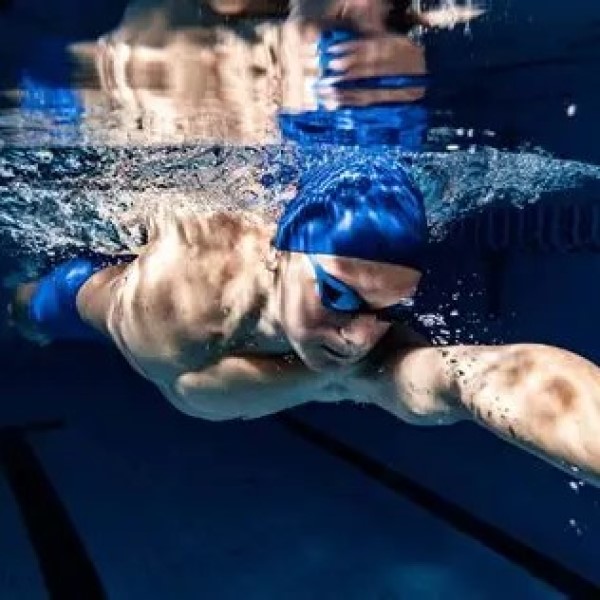
Different swim strokes engage muscles in unique ways. Each one demands varying levels of strength and coordination. As a result, calorie burn differs across styles. Freestyle is the fastest and most efficient stroke. It allows steady pacing over long distances. Most people burn a significant amount during freestyle laps.
Butterfly is the most intense. It requires explosive upper-body power and precise timing. Few swimmers sustain it for long periods. Yet, even short bursts lead to high calorie output. This stroke works shoulders, chest, core, and legs intensely.
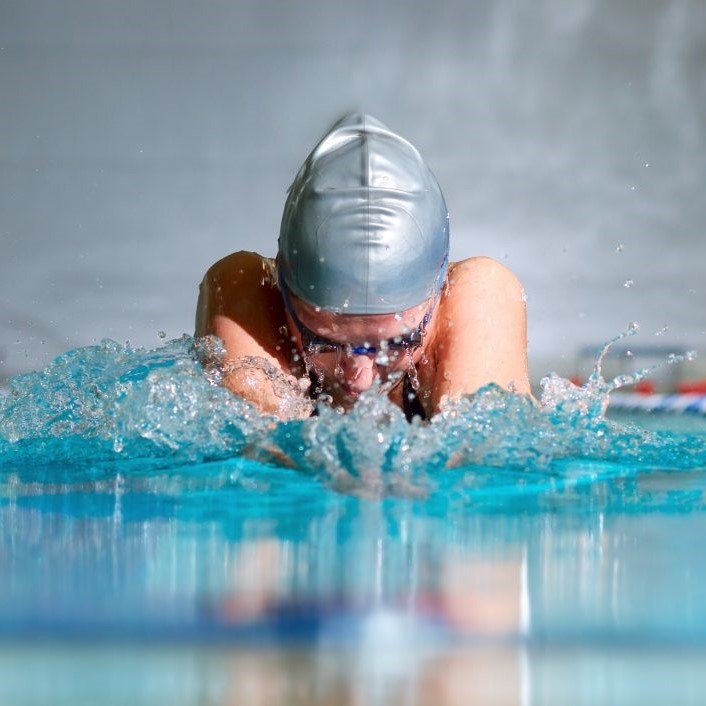
Breaststroke moves slower but uses powerful leg kicks. The wide arm pull adds resistance. Because it’s less streamlined, it creates more drag. This forces the body to exert more effort. Consequently, breaststroke can burn as many calories as faster strokes.
Backstroke lets you breathe freely. It still activates the back, arms, and core. While slightly less intense, it contributes well to total burn. Mixing strokes during a session keeps muscles challenged. It also prevents boredom.
Choosing a stroke should match your goals. Want maximum burn? Combine butterfly sprints with freestyle endurance. Looking for joint-friendly exercise? Use breaststroke or backstroke. Either way, variation improves results.
 Comparing Swimming to Other Cardio Exercises
When evaluating fitness routines, people often compare swimming to running, cycling, or gym machines. Treadmills and ellipticals are popular choices. However, swimming offers distinct advantages. First, it is low-impact. Joints stay protected even during intense sessions. Runners often face knee or hip strain. Swimmers avoid that stress entirely.
Second, water supports body weight. This reduces pressure on bones and ligaments. People with arthritis or injuries find relief in pools. They stay active without pain. At the same time, resistance remains high. Every stroke pushes against water. Muscles work harder than in air.
Third, swimming engages more muscle groups simultaneously. Running focuses on legs. Cycling emphasizes quads and glutes. Swimming activates arms, shoulders, back, core, hips, and legs all at once. Full-body engagement increases metabolic demand. More muscles mean more calories burned.
Moreover, heart rate stays elevated throughout. Unlike walking, which may not push cardiovascular limits, swimming naturally raises intensity. Even moderate laps improve lung capacity and circulation.
Still, some land exercises allow easier tracking. Treadmills display calories burned instantly. Pools rarely have built-in monitors. You must estimate based on time, effort, and personal data. Despite this, swimming ranks among the top calorie-burning activities.
Why Water Resistance Makes a Difference
Water is about 800 times denser than air. This density creates constant resistance. Every arm pull and leg kick fights against it. As a result, muscles activate more fibers per movement. This increased demand raises energy use.
Land workouts rely on gravity or added weights. Swimming uses natural fluid resistance. No equipment needed. The challenge comes from motion itself. Faster movements increase resistance exponentially. Small changes in speed greatly affect effort.
This resistance also improves muscle tone. Over time, swimmers develop lean, defined physiques. Fat burns steadily. Muscle builds gradually. The combination enhances resting metabolism. More muscle means more calories burned—even at rest.
Additionally, balance and stability improve. Staying horizontal in water requires core control. Minor adjustments happen continuously. These small corrections add up. They contribute to overall energy use.
Because water surrounds the body, cooling happens naturally. You don’t overheat easily. This allows longer workouts. Extended time in motion increases total calorie burn. Heat exhaustion is rare. Dehydration still occurs. Drink water before and after.
Overall, water resistance turns swimming into a powerful fat-burning tool. It challenges the body uniquely. Results come faster than expected. For anyone asking how many calories does swimming burn, the environment itself plays a major role.
 How Duration and Frequency Affect Total Calorie Output
Time spent in the water directly impacts total calories burned. A ten-minute swim burns fewer calories than a forty-minute session. Naturally, longer workouts lead to higher totals. However, consistency matters just as much.
Swimming three times a week builds endurance. Muscles adapt. Heart efficiency improves. Over time, you swim longer with less fatigue. Increased stamina allows more time in the pool. More time means more calories burned.
Short daily swims also work. Ten minutes each day adds up to 70 minutes weekly. While less intense, frequent exposure keeps metabolism active. Regular movement supports fat loss. It also reduces sedentary behavior.
Interval training boosts results further. Alternate between fast laps and slow recovery. This method elevates heart rate quickly. It also extends post-exercise calorie burn. After a hard swim, your body continues burning energy to recover.
Setting goals helps track progress. Aim for 30 minutes four times a week. Gradually increase duration or intensity. Use a waterproof watch to monitor time and pace. Record each session in a journal. Watch totals rise over weeks.
Even occasional swimming offers benefits. Weekend laps still burn calories. They support mental clarity and physical health. Any activity beats inactivity. Still, regular practice yields the best outcomes.
Creating a Sustainable Swimming Routine
Starting a new habit requires planning. Choose a convenient location. Pick a pool close to home or work. Reduce travel time. Make access easy. Then, set realistic expectations. Begin with two sessions per week. Allow room for rest and recovery.
Schedule swim times like appointments. Treat them as non-negotiable. This mindset increases follow-through. Include warm-up and cool-down periods. Start with five minutes of easy laps. Finish with gentle stretching in water.
Vary your routine. Repeat the same stroke every day causes monotony. Mix freestyle, backstroke, and breaststroke. Try drills to improve form. Add fins or paddles occasionally. These tools increase resistance. They also make workouts more engaging.
Track progress beyond calories. Note improvements in breath control, distance, or speed. Celebrate milestones. Swim one full lap without stopping? That’s a win. Complete ten laps in under fifteen minutes? Another success.
Invite a friend. Shared activities boost motivation. Accountability keeps you coming back. Talk during breaks. Make it social. Enjoyment increases adherence. When swimming feels fun, you stick with it longer.
Individual Differences That Impact Results
No two swimmers burn calories at the same rate. Personal traits shape outcomes. Weight is one of the biggest influencers. Larger bodies require more energy to move. Therefore, heavier swimmers typically burn more per minute.
Fitness level also plays a role. Trained athletes move efficiently. They glide through water with minimal wasted motion. This efficiency reduces calorie burn per lap. But they swim longer and faster. Total output remains high.
Beginners often burn more calories per minute. Their technique lacks refinement. Movements create more drag. Arms splash. Legs sink. Extra effort increases energy use. As skills improve, calorie burn per minute may drop. However, endurance rises. They swim longer. Overall burn stays strong.
Metabolism varies between individuals. Some people naturally burn energy faster. Others conserve it. Age affects this too. Younger adults tend to have higher metabolic rates. Older adults may need longer sessions to achieve similar results.
Gender influences composition. Men often carry more muscle mass. Muscle burns more calories than fat. Women may have higher body fat percentages. These biological differences affect energy use. Still, both genders benefit equally from swimming.
How Skill Level Affects Efficiency and Burn Rate
As swimmers gain experience, their bodies become more efficient. They learn to streamline movements. Proper hand entry, smooth kicks, and rhythmic breathing reduce resistance. Less drag means less effort for the same speed.
This improved efficiency lowers calorie burn per minute. However, skilled swimmers compensate by increasing distance or speed. They complete more laps in the same time. Greater volume offsets lower per-minute rates. Total calories burned remain high.
New swimmers fight the water. They tire quickly. Their heart rates spike early. Fatigue sets in after a few laps. Yet, their inefficient style burns more energy per action. Short sessions still contribute meaningfully.
Over time, technique reduces perceived effort. Breathing becomes automatic. Strokes feel smoother. Distance increases without exhaustion. This progression allows longer workouts. Extended time in motion raises total burn.
Learning proper form is worth the effort. Take lessons if possible. Watch videos. Practice drills. Ask coaches for feedback. Better technique leads to better results. Even small improvements add up.
 Frequently Asked Questions About How Many Calories Does Swimming Burn
Does swimming burn belly fat? Not specifically. It reduces overall body fat. Spot reduction isn’t real. Consistent swimming leads to general fat loss.
Do I burn more calories in open water? Possibly. Waves and currents increase resistance. Outdoor conditions require more stabilization. These factors raise energy use.
Is swimming better than walking? It depends. Walking is accessible. Swimming burns more calories in less time. It also protects joints. Both help health. Choose based on ability and preference.
Can I lose weight just by swimming? Yes. Combine it with balanced eating. Create a calorie deficit. Swimming accelerates fat loss.
How soon will I see results? Varies. Some notice changes in 4–6 weeks. Consistency matters most.
Should I eat more if I swim regularly? Only if training intensely. Light swimmers don’t need extra food. Listen to hunger cues.
Does water temperature matter? Cool water may increase burn. Avoid extreme cold. Stay safe and comfortable.
Can kids benefit from swimming? Absolutely. It builds strength, coordination, and confidence. Plus, they burn calories actively.
 Final Thoughts on How Many Calories Does Swimming Burn
Understanding how many calories does swimming burn helps set realistic fitness goals. It shows the value of water-based exercise. From full-body engagement to low-impact movement, swimming offers unmatched benefits.
Results depend on multiple factors. Weight, intensity, stroke choice, and frequency all play roles. Yet, nearly everyone can benefit. Whether you’re rehabbing an injury or training for competition, swimming adapts to your needs.
More importantly, it supports long-term health. Heart function improves. Joints stay protected. Mental well-being increases. Enjoyment encourages consistency.
By mastering technique and building endurance, you maximize calorie burn. You also build a sustainable habit. So dive in. Track your progress. And remember—every lap brings you closer to your goals. Now you know exactly why how many calories does swimming burn is such a valuable question to ask.
