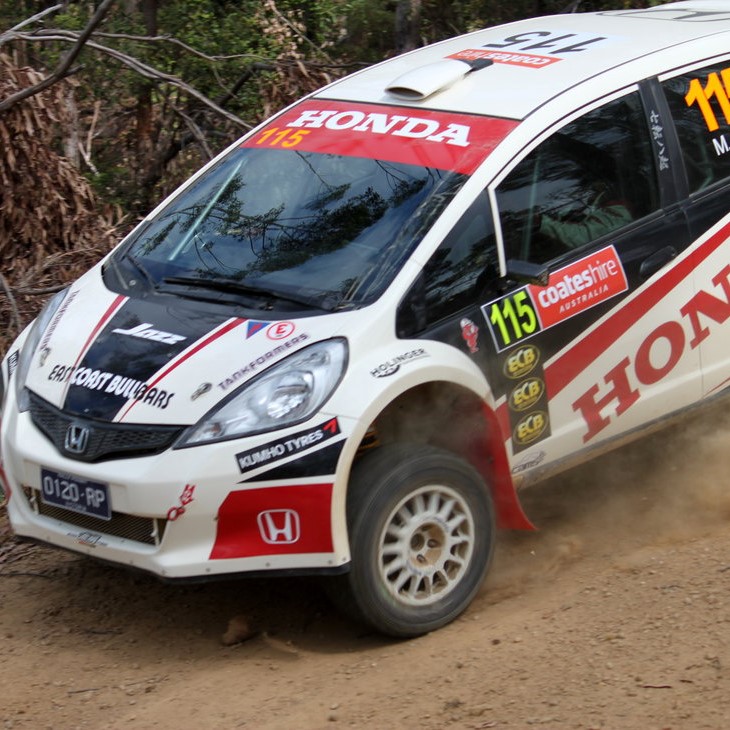
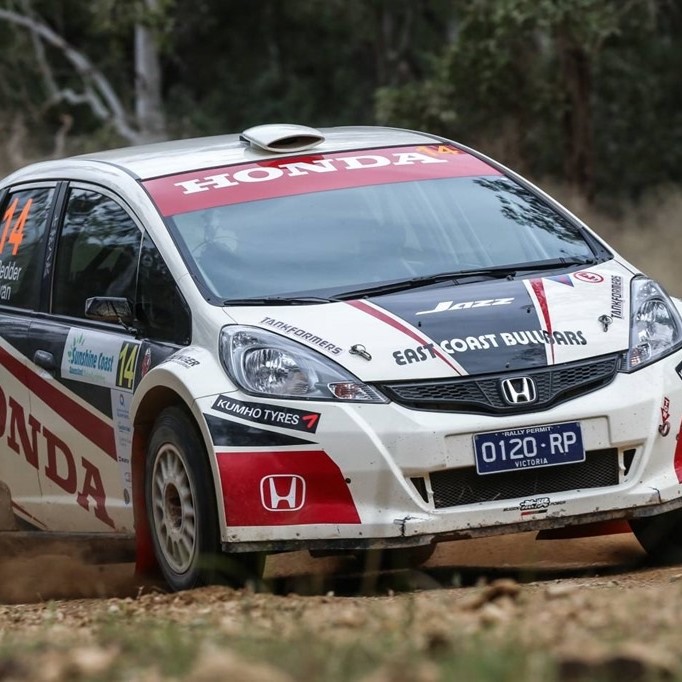
The Honda Fit Rally Car has earned a strong reputation in motorsport circles. Originally designed as a practical city hatchback, the Honda Fit transforms into a capable rally machine with the right modifications. Its lightweight frame, front-wheel-drive layout, and high-revving engine make it an ideal platform for grassroots rally racing.
Moreover, the Honda Fit Rally Car stands out due to its agility and reliability. Many amateur teams choose it for regional competitions. It handles rough terrain well and remains affordable to maintain. As a result, it continues to gain fans across North America, Europe, and Asia.
 Why the Honda Fit Rally Car Is Perfect for Entry-Level Racing
Lightweight Design and Responsive Handling
One of the biggest reasons teams choose the Honda Fit Rally Car is its low curb weight. At around 2,400 pounds, it accelerates quickly and corners sharply. This gives drivers an edge on twisty forest stages or tight dirt tracks.
Additionally, its compact size improves maneuverability. Drivers can navigate narrow trails without scraping sides. This reduces damage during close calls with trees or rocks.
The suspension system also plays a key role. Upgraded shocks and struts absorb bumps effectively. Rally versions use long-travel setups to handle jumps and potholes. These improvements increase control and driver confidence.
Braking performance increases too. Aftermarket discs and pads stop the car faster. This matters when approaching blind corners at high speed.
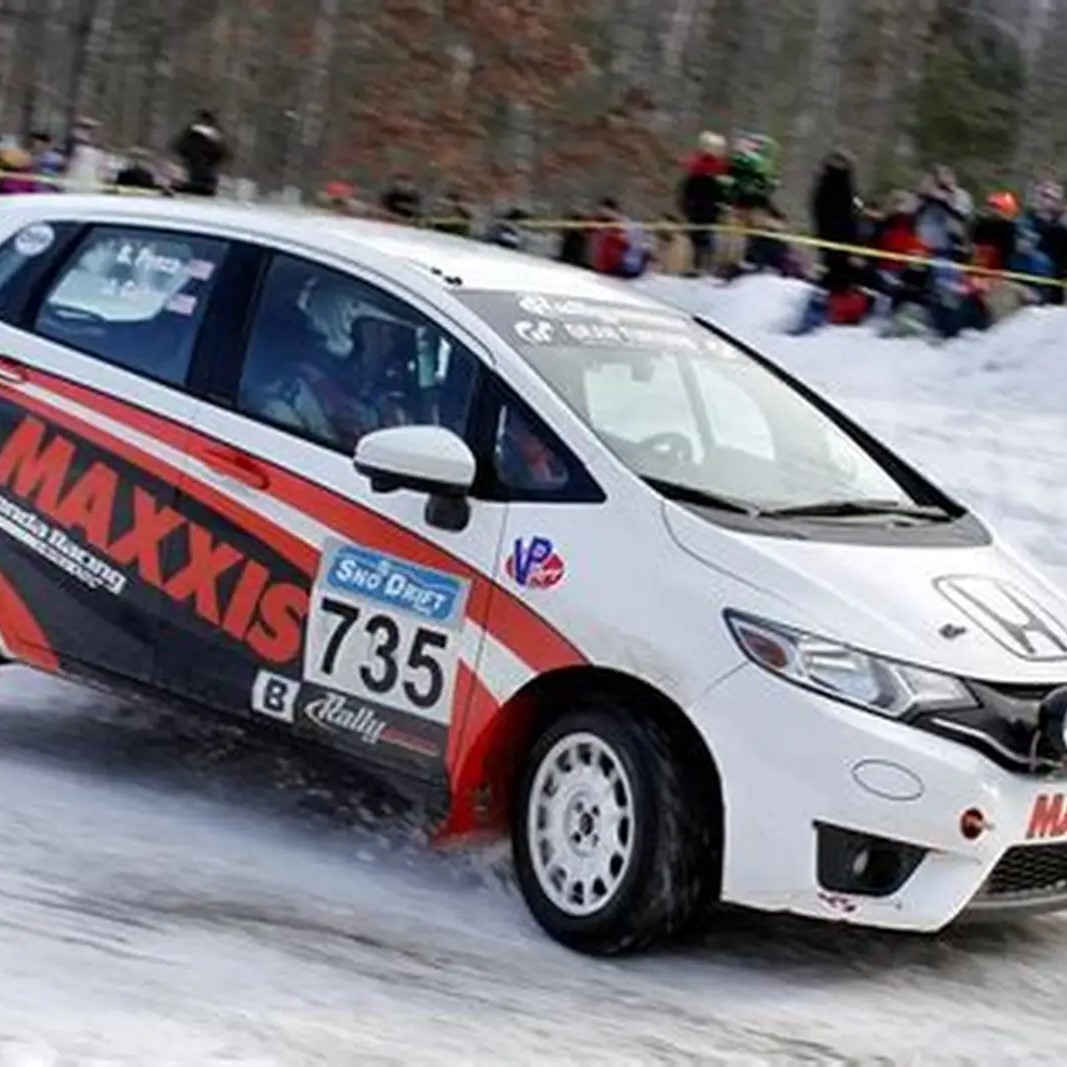
Tires are another major upgrade. Teams fit all-terrain or gravel-specific treads. These provide better grip on loose surfaces. Some models use studded tires for icy conditions.
The interior gets stripped down. Extra weight like rear seats and sound insulation comes out. A full roll cage adds safety and rigidity. Fire extinguishers and racing harnesses complete the setup.
Therefore, the Honda Fit Rally Car becomes a serious off-road performer through smart engineering.
Engine Modifications That Boost Performance
Tuning the L-Series for High RPM Power
At the heart of every Honda Fit Rally Car is the L-series inline-four engine. In stock form, it produces about 117 horsepower. However, with performance tuning, output can rise to over 180 hp.
One common upgrade is forced induction. Teams install small turbochargers to increase power. These kits include intercoolers, boost controllers, and upgraded fuel injectors. They allow consistent performance under stress.
Engine management systems get reprogrammed. Standalone ECUs replace factory computers. These let tuners adjust air-fuel ratios, ignition timing, and rev limits. Precision tuning prevents knocking and overheating.
Internal components are strengthened. Forged pistons, steel connecting rods, and high-lift camshafts improve durability. These parts handle higher compression and sustained high RPMs.
Air intake systems become more efficient. Cold-air intakes draw cooler outside air. Less dense air means better combustion. Exhaust systems flow freely. Mandrel-bent pipes reduce backpressure.
Cooling upgrades prevent overheating. Larger radiators and oil coolers keep temperatures stable. Electric fans run even after shutdown. This avoids heat soak during long stages.
Sound levels increase slightly. Mufflers are less restrictive. However, most rallies have noise limits. Teams use dB meters to stay within regulations.
With these changes, the Honda Fit Rally Car delivers thrilling acceleration. It holds its own against larger competitors.
 Transmission and Drivetrain Enhancements
Strengthening the FWD System for Durability
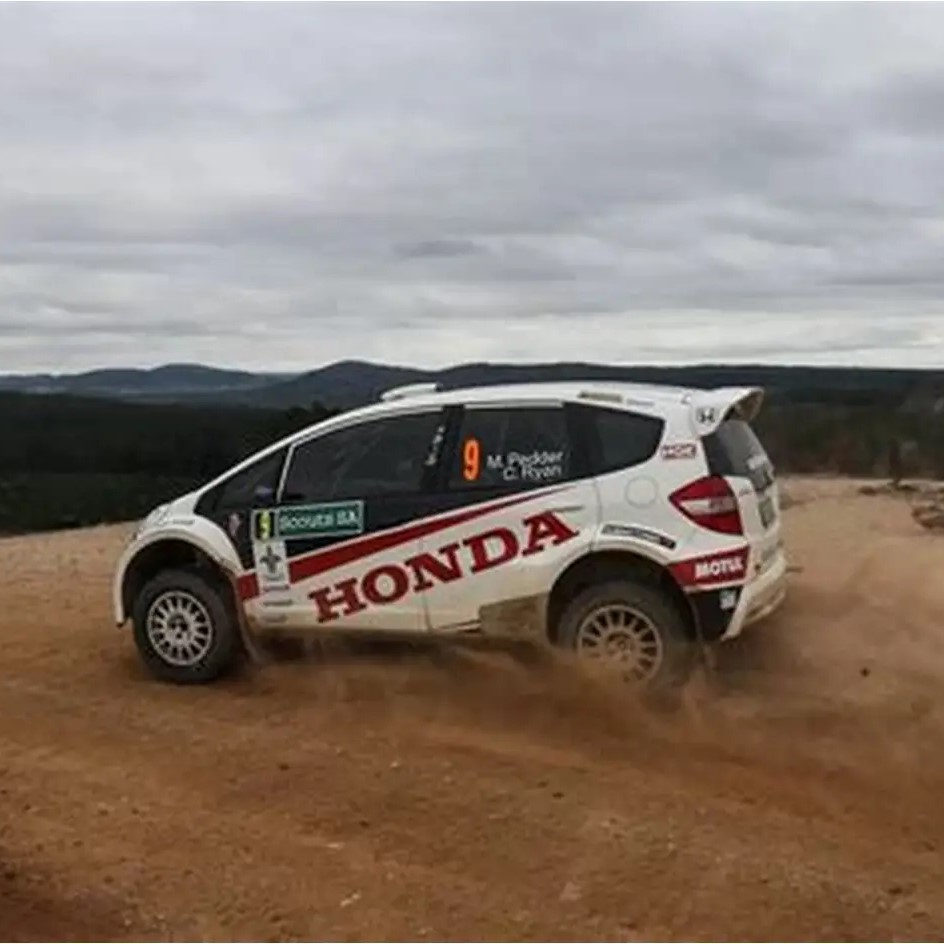
Although the Honda Fit Rally Car uses front-wheel drive, it performs well in competition. Skilled drivers use throttle control to rotate the car through turns. This technique, called lift-off oversteer, helps maintain momentum.
The stock transmission rarely survives long. Factory gears wear out fast under stress. That’s why many teams install close-ratio gearboxes. These hold engines in the power band longer.
Dog-ring gear sets are popular. They shift faster than synchromesh units. Drivers can slam gears without double-clutching. This saves time during split-second decisions.
Clutches receive heavy-duty replacements. Multi-plate units handle more torque. Ceramic friction materials resist fade during long runs. Hydraulic throw-out bearings ensure smooth engagement.
Axles and CV joints are reinforced. Standard parts crack under extreme angles. Upgraded chromoly shafts last much longer. Greasable joints reduce maintenance needs.
Limited-slip differentials (LSD) improve traction. Torque goes to the wheel with the most grip. This reduces wheelspin on gravel or mud.
Gear oil quality matters too. Synthetic blends protect internals. They flow well in cold weather and resist breakdown in heat.
Steering response improves with quick-ratio racks. Smaller steering wheel inputs turn the front wheels faster. This enhances precision on technical sections.
These drivetrain changes make the Honda Fit Rally Car surprisingly tough.
Safety Features Required for Rally Competition
Roll Cages, Harnesses, and Emergency Systems
Safety is non-negotiable in any Honda Fit Rally Car build. Organizers require strict compliance before allowing entry. The first step is installing a certified roll cage.
The cage uses chromoly steel tubing. It bolts directly to the chassis. Main hoops, door bars, and foot bars create a protective skeleton. All welds must meet FIA or national standards.
Racing seats bolt to the floor. They support the driver and co-driver firmly. Side bolsters prevent movement during hard cornering. Five-point harnesses secure occupants tightly.
Fire suppression systems are mandatory. A plumbed-in extinguisher covers the engine bay and cockpit. Drivers activate it manually from the dashboard. Some cars use automatic sensors.
Electrical cutoff switches stop the engine instantly. Located inside and outside the car, they help rescue crews. Battery mounts are reinforced to prevent shifting.
Window nets protect the driver’s arms. They allow steering but block ejection. Mesh releases easily during exit drills.
Head protection includes HANS devices. These reduce neck strain during impacts. Helmets must meet Snell or FIA ratings.
All electronics go through relays. Kill switches disable power safely. Wiring looms are wrapped and secured.
With these features, the Honda Fit Rally Car meets top safety benchmarks.
 Real-World Use in Rally Events and Competitions
Success Stories from Grassroots to Regional Races
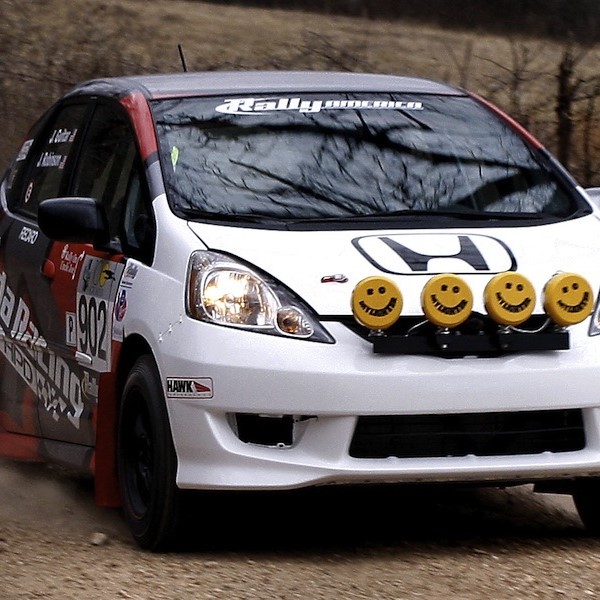
The Honda Fit Rally Car competes in events like NASA Rally Sport and SCCA ProRally. While not a factory effort, private teams achieve strong results. Drivers praise its balance and ease of repair.
For example, one team from Colorado entered their modified Fit in the Silver State Classic. They finished third in class despite rocky terrain. Their secret was light weight and reliable preparation.
Another group from Oregon used a Fit in the Targa West rally. They focused on navigation and consistency. Mechanical failures were minimal. Spare parts were easy to source.
In Japan, the Fit appears in local gymkhana and touge events. These are not traditional rallies. But they test handling and driver skill. Owners modify them with wide fenders and aggressive camber.
European clubs host hill climb races. The Honda Fit Rally Car climbs steep grades efficiently. Its short gearing helps maintain speed.
Social media showcases builds regularly. Instagram and YouTube feature full restoration videos. Enthusiasts share tips on forums and Facebook groups.
Sponsors occasionally support well-documented projects. Small brands see value in grassroots exposure. This helps keep costs down.
Even with limited budgets, the Honda Fit Rally Car proves competitive.
How to Build Your Own Honda Fit Rally Car
Step-by-Step Process from Street Car to Race Ready
Start by sourcing a clean donor vehicle. Look for low mileage and no rust. Avoid cars with prior accidents. A solid chassis is essential.
Strip the interior completely. Remove carpets, trim, and non-essential hardware. Weigh each part removed. Every pound saved helps performance.
Install the roll cage first. Hire a certified welder if needed. Never cut structural beams without reinforcement.
Mount racing seats and harnesses next. Route seat belts properly. Test fit before finalizing.
Upgrade suspension components. Install coilovers with adjustable dampening. Set ride height higher than street level.
Fit performance brakes. Big front calipers and slotted rotors improve stopping power. Braided stainless lines reduce pedal fade.
Engine work follows. Decide between NA tuning or turbocharging. Start with bolt-ons like headers and exhaust. Then move to internal upgrades.
Transmission rebuild comes later. Replace worn synchros and bearings. Upgrade to a stronger clutch.
Add electrical systems last. Install kill switches, battery disconnects, and auxiliary lights. Wire everything neatly.
Finally, paint and apply livery. Use durable vinyl wraps or race-grade paint. Include sponsor decals if applicable.
This process takes weeks or months. But the result is worth it.
 Frequently Asked Questions
Common Concerns Answered by Experts
Is the Honda Fit Rally Car allowed in Group N? No. Most rules require larger engines. But it fits well in open or modified classes.
Can it beat bigger cars? Yes, on technical courses. Lighter weight helps in tight turns.
How much does a full build cost? Between 15,000 30,000. Depends on parts and labor.
Do I need a license to race? Yes. Most events require competition licenses. Attend driving schools first.
Where can I find spare parts? Online stores, Honda dealers, and salvage yards. JDM imports are popular.
Can it be street-driven? Yes, but uncomfortable. Stiff suspensions and loud exhausts limit daily use.
Is insurance available? Yes. Specialty motorsport insurers cover rally vehicles.
 Final Thoughts
A Smart Choice for Affordable Motorsport
The Honda Fit Rally Car is more than just a fun project. It represents accessible motorsport for everyday enthusiasts. With modest investment, you can enter real competitions.
Its reliability, compact size, and strong community support make it stand out. Unlike exotic rally machines, parts are easy to find and affordable.
Whether you’re chasing podium finishes or simply love driving, this car delivers. It teaches car control, mechanical knowledge, and teamwork.
In conclusion, the Honda Fit Rally Car proves that big dreams don’t need big budgets. It combines spirit, function, and fun. Because when passion meets pavement, the journey begins—and the Honda Fit Rally Car leads the way.
