When it comes to timeless fashion pieces, few garments are as versatile as a skirt. Whether you’re wearing a pencil skirt to work or a flowing maxi at a summer event, understanding the parts of a skirt helps you appreciate its design and function. Each element—from waistband to hemline—plays a role in comfort, movement, and overall style.
Moreover, knowing the parts of a skirt empowers you to make smarter choices when shopping, sewing, or altering clothing. You can identify why a skirt fits well or feels uncomfortable. This knowledge also improves communication with tailors or designers. As more people explore personal style and sustainable fashion, interest in the structural details continues to grow across blogs, tutorials, and online communities.
 Why Knowing the Parts of a Skirt Matters
Enhance Fit, Style, and Customization
Understanding the parts of a skirt gives you control over how your clothes look and feel. For example, if a waistband digs in, you’ll know to look for styles with elastic inserts or wider bands. This awareness prevents discomfort and wasted purchases.
Additionally, each component affects silhouette. A-line skirts flare from the hips. Sheath styles hug the body. Circle skirts spin freely. These differences come from how the parts of a skirt are cut and assembled.
Also, identifying areas like darts or pleats helps with alterations. You can adjust fit without ruining the design. Tailors often ask about these features. Knowing them speeds up repairs and customizations.
Sewing enthusiasts benefit too. When following patterns, recognizing terms like “facing” or “lining” makes instructions easier to follow. It reduces mistakes and increases confidence.
Furthermore, fabric choice interacts with structure. Stiff materials hold shape in box pleats. Soft fabrics flow better in godets. Matching material to design ensures success.
Shopping becomes more efficient. Instead of guessing, you can search for specific traits. Look for “high-waisted,” “double-layered hem,” or “back zipper closure.”
Ultimately, learning the parts of a skirt turns passive wearers into informed users. You move from simply wearing clothes to understanding them.
Waistband: The Foundation of Support
How It Holds Everything Together
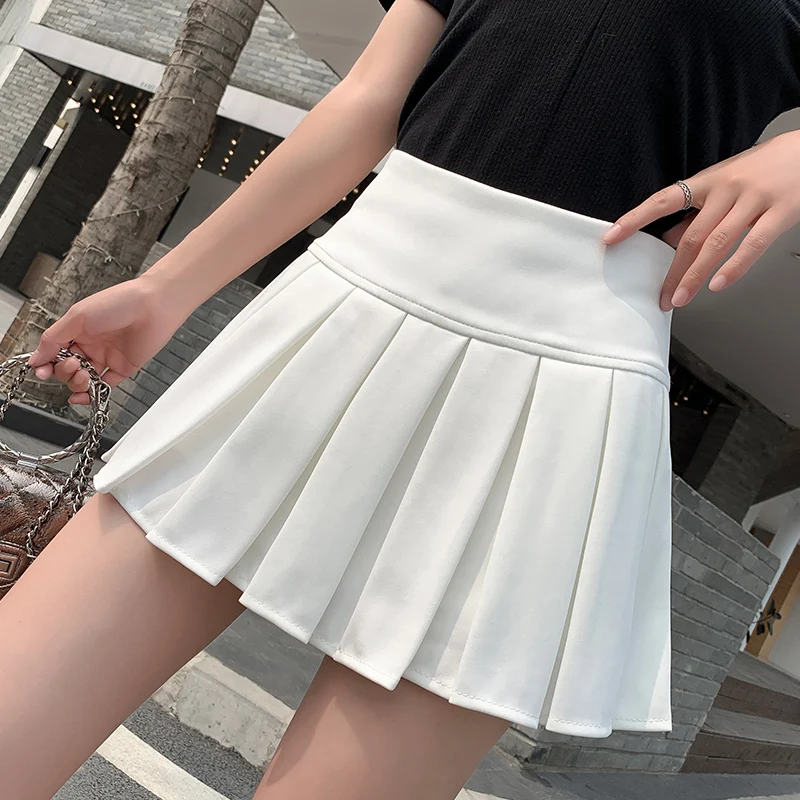
The waistband is one of the most important parts of a skirt. It wraps around the natural waist or hips and keeps the garment in place. Without a strong waistband, a skirt would slide down or feel unstable.
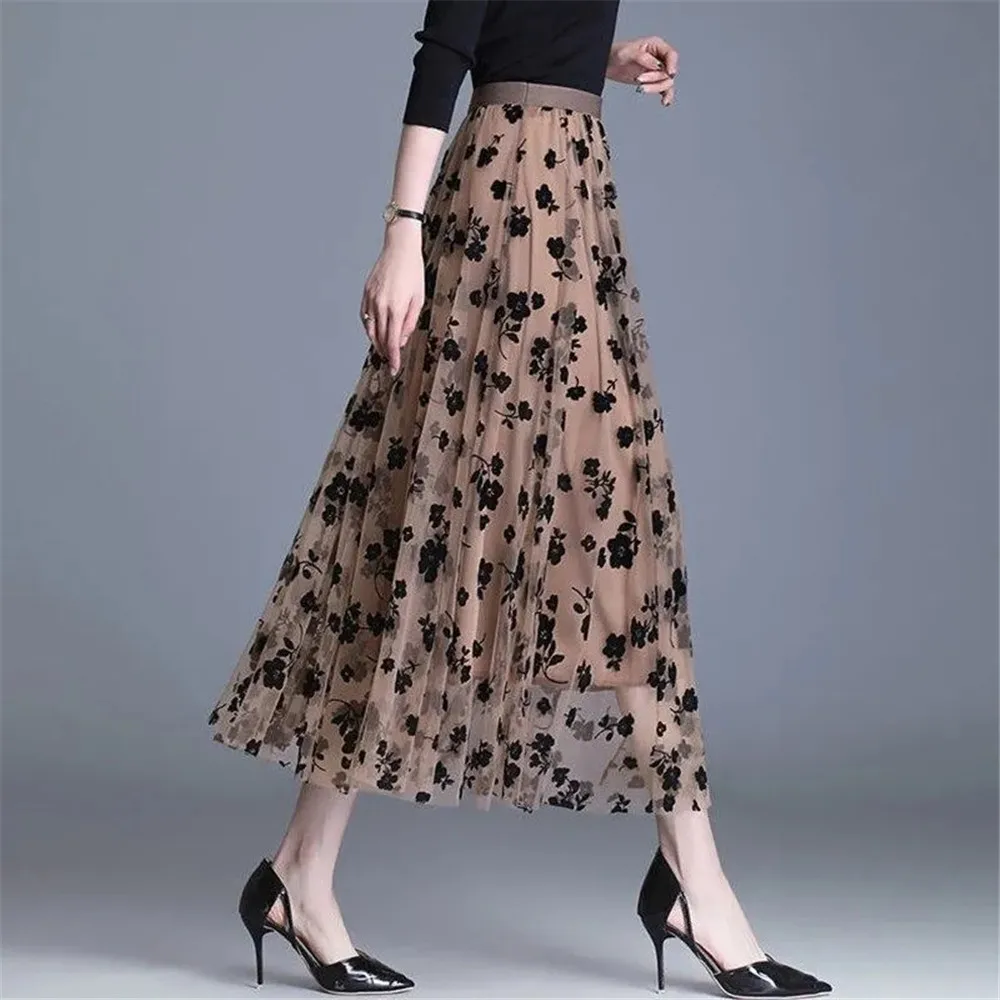
There are several types. Some are wide and firm. Others are narrow and stretchy. High-waisted styles sit above the navel. Low-rise versions rest on the hips. Each offers different levels of support and coverage.
Elastic waistbands add comfort. They expand slightly with movement. This makes them ideal for casual wear or maternity designs.
Some skirts use built-in belts. These wrap around and fasten with buckles. They create definition and improve shape.
A facing may line the inside edge. This clean finish hides raw edges. It also adds stiffness to prevent rolling.
Zippers or hooks often attach to the waistband. Placement varies. Side closures reduce bulk. Back zippers stay hidden.
Always check stitching. Loose seams weaken the band. Reinforced corners last longer.
Fit matters more than style. If the waistband pinches or gaps, the skirt won’t hang right. Try walking or sitting to test real-life performance.
With proper care, this part stays strong. Avoid pulling when dressing. Hand wash delicate fabrics.
Knowing how the waistband works helps you choose wisely. It supports every other part of a skirt.
 Hemline: Defining Length and Movement
Where Style Meets Function
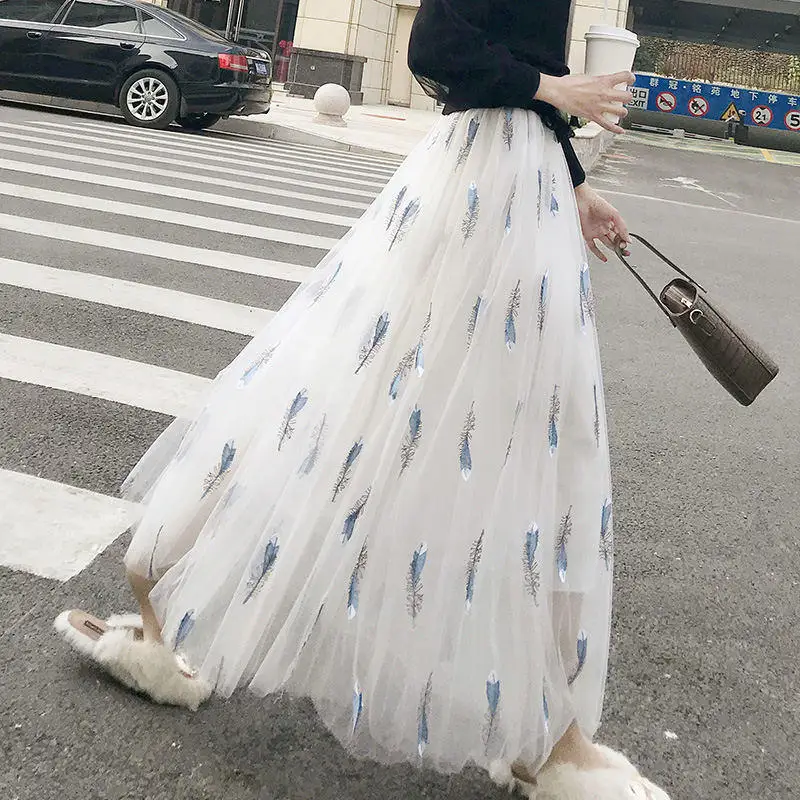
The hemline is another essential part of a skirt. It marks the bottom edge and determines length. Common styles include mini, knee-length, midi, and maxi. Each creates a different visual effect.
Hemlines affect formality. Short hems feel playful or bold. Long ones appear elegant or modest. Choosing the right length depends on occasion and comfort.
Stitching techniques vary. Rolled hems work for lightweight fabrics. Double-folded hems suit heavier materials. Blind hems keep stitches invisible.
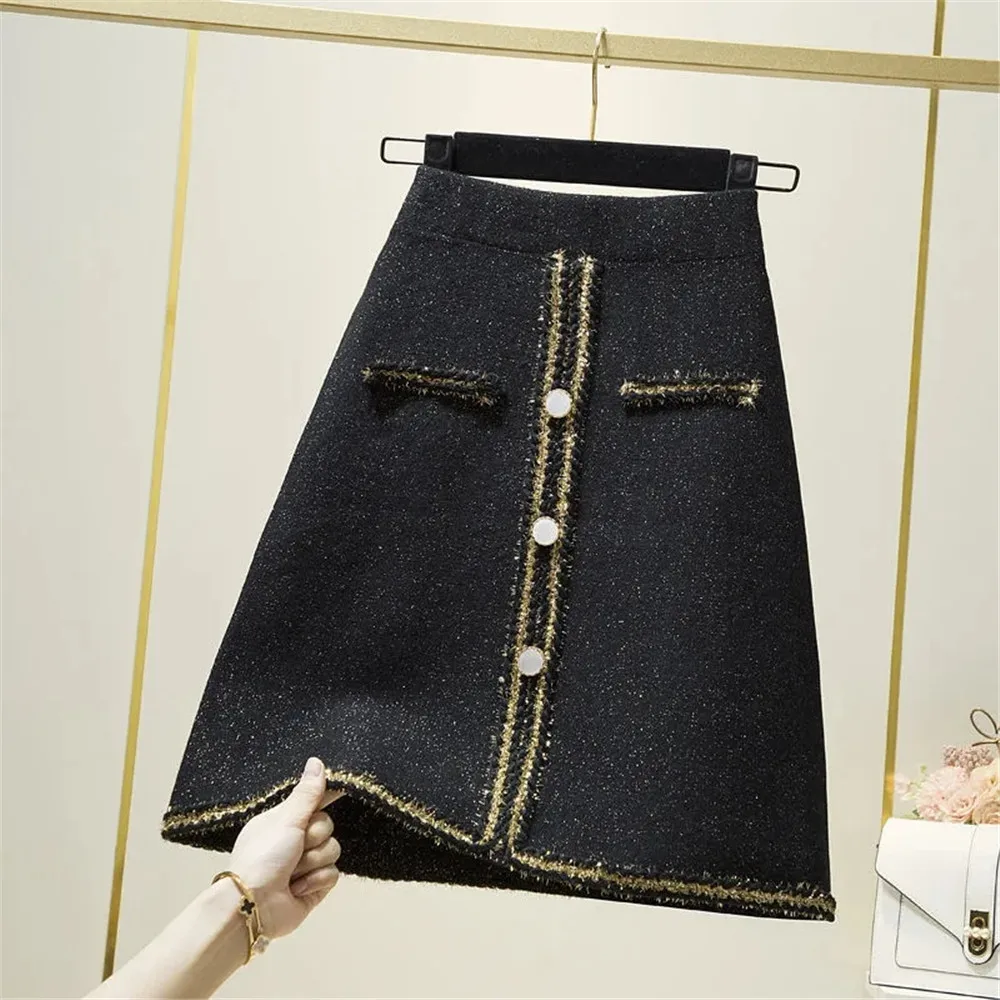
Some skirts have uneven hems. Asymmetrical cuts add flair. Slits allow leg movement. Curved hems enhance drape.
Fabric weight influences behavior. Heavy hems fall straight. Light fabrics flutter. Interfacing can stabilize soft edges.
Trims often decorate this area. Lace, fringe, or ribbon add detail. These touches draw attention downward.
Hem length changes posture. Long skirts slow steps. Minis encourage faster movement.
Alterations are common here. Many people shorten or let down hems. Always leave extra fabric if possible.
Wear and tear show first at the hem. Dirt collects on the floor. Fraying happens with frequent use.
Regular checks help. Turn hems up to spot damage early.
Understanding the hemline improves both selection and maintenance. It’s not just an end—it’s a key part of a skirt.
Seams and Darts: Shaping the Silhouette
Creating Structure and Comfort
Seams connect fabric panels. They are vital parts of a skirt. Vertical, horizontal, or curved, they shape the garment to fit the body.
Darts are folds sewn into the fabric. They remove excess material. This allows flat cloth to conform to curves. Bust darts appear less in skirts. Hip and waist darts are more common.
Princess seams run from shoulder to hem. They provide smooth shaping. Dartless designs rely on these for fit.
Side seams join front and back pieces. Center back or center front seams offer symmetry. They also hide zippers or buttons.
Flat-felled seams are strong. Used in denim, they resist fraying. French seams hide raw edges. These are common in fine linings.
Gussets add room. Inserted at crotch points, they increase mobility. This is helpful in active or full skirts.
Always inspect seam quality. Uneven stitching causes strain. Thread breaks lead to rips. Check stress points like pockets or waist corners.
Pressing improves appearance. Steam opens seams flat. This enhances drape and polish.
Well-made seams last. Poor ones unravel quickly. Quality shows in durability.
Recognizing these parts of a skirt helps you judge construction. Good seams mean good design.
 Pockets, Pleats, and Other Functional Details
More Than Just Decoration
Pockets are useful parts of a skirt. Not all skirts have them. But when included, they add convenience. Patch pockets attach on top. Inset pockets tuck into side seams.
Slanted pockets are stylish. They follow hip lines. Vertical ones give a classic look. Cargo styles offer volume.
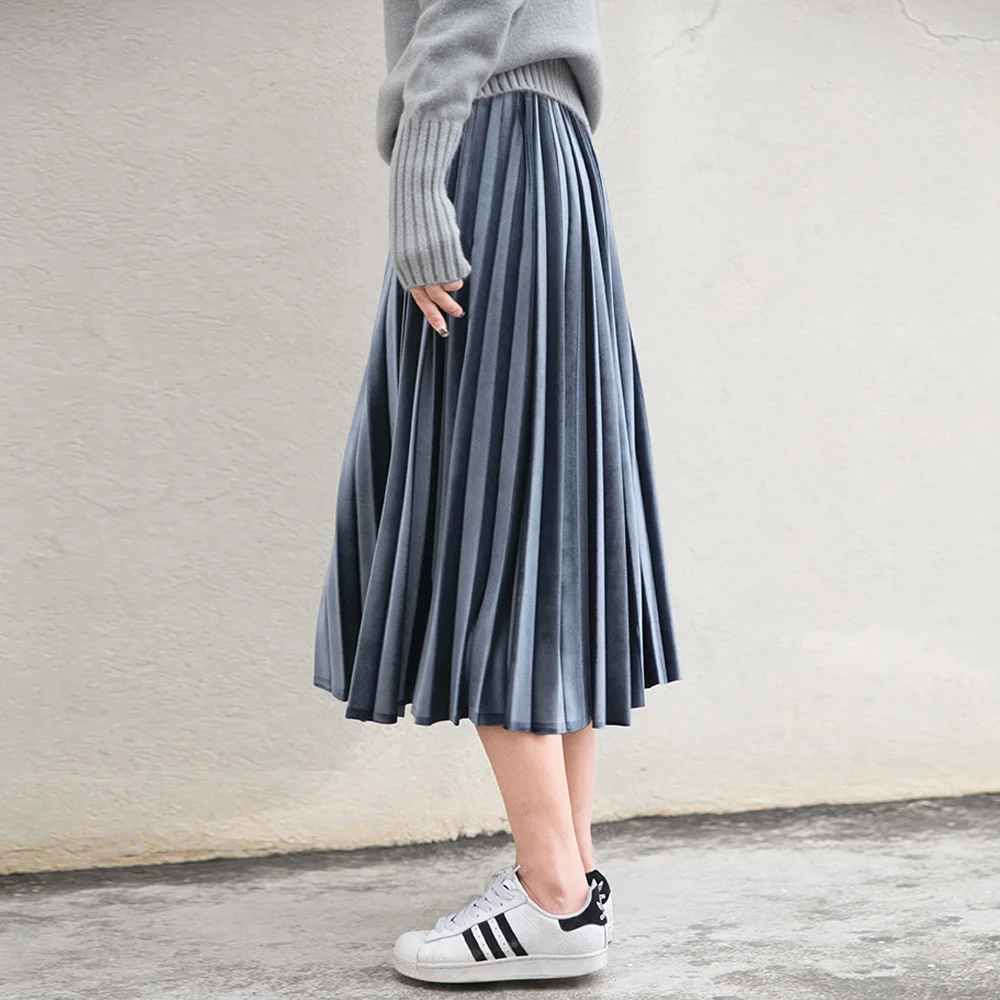
Pleats add volume and movement. Box pleats fold outward. Knife pleats face one direction. Accordion pleats stack tightly.
These elements influence fabric use. Full pleats need more material. Flat fronts save fabric. Consider cost and weight.
Tucks resemble small pleats. They’re stitched down. These create texture without adding bulk.
Godets are triangular inserts. Sewn into hems, they widen skirts. This allows spinning and walking ease.
Loops and tabs serve purposes. Belt loops hold accessories. Button tabs secure waistbands.
Vent slits appear in formal skirts. They help with sitting. Covered vents look tidy.
Each feature has a role. Even decoration serves style. Understanding these parts of a skirt improves appreciation.
Linings and Facings: Hidden Layers That Matter
Smoothness, Shape, and Durability
Linings are inner layers. They cover the inside of a skirt. These are essential parts of a skirt made from softer fabric.
They reduce friction. Without linings, rough textures might irritate skin. They also prevent sheerness in light materials.
Silk, polyester, and rayon are common lining fabrics. Choose based on drape and care needs. Lightweight options move smoothly.
Facings finish raw edges. Neck facings don’t apply to skirts. Waist and hem facings do. They give clean structure.
Bias binding can act as a facing. It curves easily. This suits rounded openings.
Lined skirts feel more expensive. They hang better. Movement feels smoother.
Check for loose flaps. Detached linings bunch up. Repair early to avoid worsening.
Dry cleaning may be needed. Follow labels carefully. Heat damages some linings.
Durability improves with linings. They protect outer fabric. Sweat and oils stay off the main layer.
Even simple skirts benefit. Lightweight facings add polish. These hidden parts of a skirt make a big difference.
 Closures: How Your Skirt Stays On
Zippers, Buttons, and Hidden Options
Closures are critical parts of a skirt. They keep the garment secure. Most skirts use zippers, buttons, or hooks.
Zippers are common. Back zippers stay discreet. Side zippers allow easy access. Invisible zippers blend into fabric.
Metal zippers are strong. Nylon zippers flex. Plastic ones resist corrosion. Choose based on use.
Buttons can be functional or decorative. Real button plackets require precise spacing. Fake buttons save time.
Hook-and-eye sets add security. Often used above zippers. They prevent gapping.
Snaps close softly. Common in children’s wear. Magnetic closures are rare but growing.
Waist ties offer adjustable fit. Fabric cords or ribbons work. These add charm.
Avoid forcing closures. Pull gently. Misaligned zippers break teeth.
Replace damaged hardware early. Tailors fix many issues. Prevent complete failure.
Test movement after fastening. Sit and walk. Ensure no pulling or restriction.
Choosing the right closure improves daily wear. It’s one of the most practical parts of a skirt.
Frequently Asked Questions
Clear Answers for Beginners and Enthusiasts
What is the top part of a skirt called? It’s the waistband. This holds the skirt in place.
Do all skirts have linings? No. Only formal or sheer styles usually include them.
How do I know if a dart is placed correctly? It should point toward the fullest part of the hip.
Can I add pockets to a skirt? Yes. A tailor can insert them neatly.
Are pleats hard to maintain? They need steaming. Avoid folding sharply during storage.
What does a facing do? It finishes edges and adds structure.
Why does my skirt gap at the waist? The waistband may be too large. Or darts are missing.
Where can I learn to sew a skirt? Online videos, local classes, or pattern booklets help.
 Final Thoughts
Understanding the parts of a skirt transforms how you interact with clothing. It builds confidence in shopping, styling, and caring for garments. You notice quality and fit more clearly.
Whether you’re altering, designing, or simply choosing what to wear, this knowledge pays off. Each section plays a role in comfort and appearance. Recognizing them helps you build a better wardrobe.
Let the parts of a skirt guide your decisions. From waistband to hem, every detail matters. Master them—and master your style.
