A plumbers wrench is one of the most reliable and versatile tools in any plumbing kit. Designed specifically for gripping, turning, and tightening pipes and fittings, it stands out from standard wrenches with its unique jaw structure and long handle. Whether you’re a professional plumber or a DIY enthusiast, having a quality plumbers wrench makes pipe work faster, safer, and more efficient.
Unlike adjustable wrenches that slip easily, a plumbers wrench provides a secure grip on round surfaces. Its self-tightening mechanism increases pressure as you turn, reducing the risk of damage to pipes. From fixing leaky faucets to installing new water lines, this tool handles a wide range of tasks. As a result, understanding its features and uses can greatly improve your repair success.
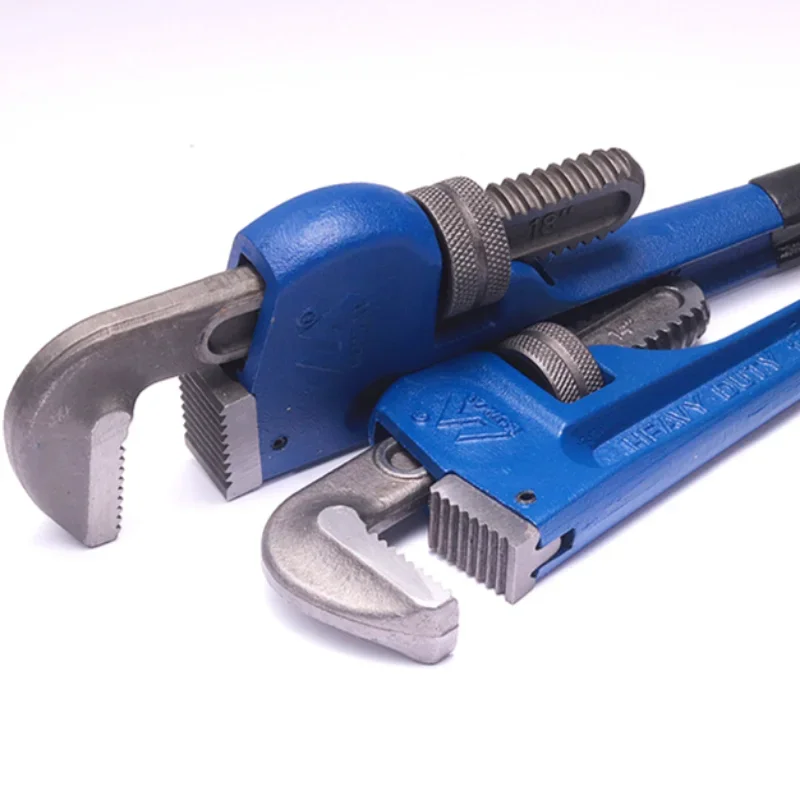 Why the Plumbers Wrench Is Different from Other Adjustable Wrenches
The plumbers wrench has several design elements that set it apart. First, it features an elongated handle. This gives users greater leverage when loosening tight connections. More force means less strain on your hands and arms.
Second, the jaw opens wider than most adjustable wrenches. It can fit over large-diameter pipes, including 1-inch or larger supply lines. This makes it ideal for main water shut-offs or drainpipe work.
Third, the jaw adjusts automatically. When you turn the wrench, the motion pulls the jaws tighter around the pipe. This prevents slippage during use. In contrast, standard wrenches require manual adjustment and often loosen mid-task.
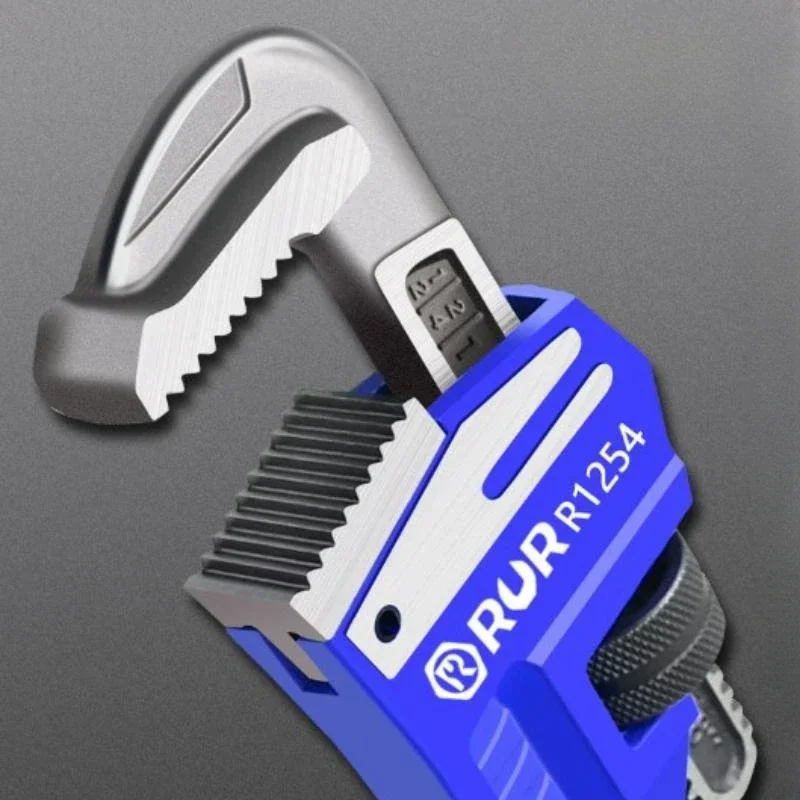
Additionally, many models have serrated or toothed jaws. These grip metal, PVC, and galvanized piping without slipping. Some include rubber inserts to protect delicate finishes.
Because of these features, the plumbers wrench is more effective and durable than general-purpose tools. It’s built for the specific demands of plumbing work.
How the Self-Tightening Mechanism Works
One of the key benefits of the plumbers wrench is its self-tightening action. When you place the wrench over a pipe and begin turning, the internal mechanism shifts slightly. This movement causes the lower jaw to pivot inward.
As torque increases, so does the clamping force. The harder you pull, the tighter the grip becomes. This ensures consistent contact with the pipe surface.
This feature is especially useful when dealing with corroded or rusted fittings. These joints resist movement and require high force to break free. A regular wrench might slip and round off the nut. The plumbers wrench holds firm and applies steady pressure.
Moreover, the design reduces user fatigue. You don’t need to constantly reposition or readjust. Once set, the tool works with you through the entire turn.
This mechanical advantage makes the plumbers wrench a favorite among professionals. It combines power, control, and safety in one tool.
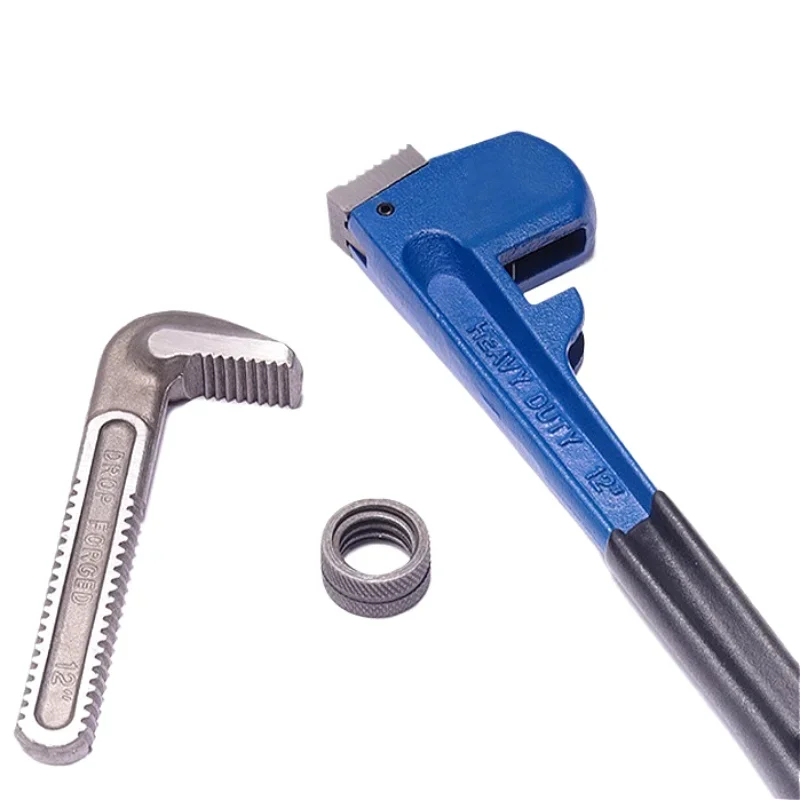 Common Uses in Everyday Repairs
The plumbers wrench excels in real-world plumbing situations. One of its most frequent uses is removing old faucet nuts under sinks. These are often tight and hard to reach. The long handle reaches deep into cabinets. The self-gripping jaw turns stubborn fittings without slipping.
It also works well on compression fittings. These connect copper tubing and often seize up over time. The plumbers wrench grips them securely without crushing the soft metal.
Another common task is adjusting shut-off valves. Many older homes have stiff or corroded valves. The added leverage helps open or close them smoothly. This is crucial during emergencies like burst pipes.
When installing P-traps or drain assemblies, the wrench tightens slip nuts quickly. It fits over curved sections where socket wrenches won’t go.
Even outdoor spigots and hose bibs respond well to this tool. No matter the job, the plumbers wrench simplifies tasks that would otherwise require multiple tools.
Applications Beyond Basic Plumbing Jobs
While designed for plumbing, the plumbers wrench proves useful in other areas too. Mechanics use it to loosen oil filters or brake line fittings. Its wide jaw fits oddly shaped parts better than standard wrenches.
In HVAC work, technicians apply it to refrigerant lines and threaded connectors. The smooth turning action prevents leaks after reassembly.
Farmers and ranchers rely on it for irrigation systems. Large polyethylene pipes and valves are easy to adjust with this tool. Its durability suits dusty, wet environments.
Homeowners find it helpful for assembling furniture with thick bolts. It also removes rusted bolts from grills, bikes, or lawnmowers.
Even in marine settings, the plumbers wrench handles saltwater-resistant fittings. Stainless steel versions resist corrosion near boats and docks.
Its versatility makes it a smart addition to any toolbox. The plumbers wrench isn’t just for plumbers—it’s for anyone who works with pipes or fittings.
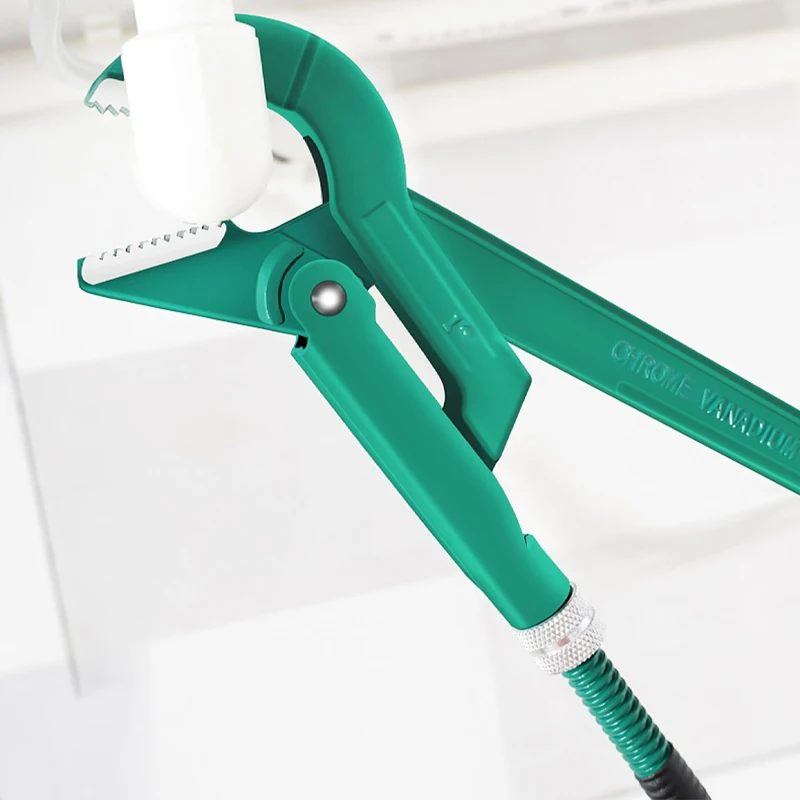 Types Available on the Market
Not all plumbers wrenches are the same. Several types exist, each suited to different needs. The most common is the standard straight-handle model. It offers maximum reach and leverage. Ideal for tight spaces under sinks.
The offset-handle version bends at the head. This allows better access in cramped areas. You can swing it in short arcs without removing it from the pipe.
Some models come with padded grips. These reduce hand fatigue during extended use. Rubberized handles also prevent slipping when wet.
Mini or compact plumbers wrenches suit small jobs. They fit in tool belts and tackle sink repairs easily. Larger industrial versions handle pipes up to 2 inches in diameter.
Finally, specialty wrenches include those with replaceable jaws. These let users swap teeth or add protective sleeves. This extends tool life and protects pipe finishes.
Choosing the right type depends on your typical projects and workspace.
Choosing the Right Size and Material
Selecting the correct plumbers wrench involves size and build quality. Most standard models fit pipes from 1/2 inch to 1-1/4 inches. Larger ones handle up to 2 inches. Check product specs before buying.
Forged steel is the preferred material. It withstands heavy torque and resists bending. Chrome plating prevents rust and improves durability.
Lighter aluminum models exist but lack strength for tough jobs. They work best for light-duty tasks.
Look for heat-treated components. These increase hardness and wear resistance. High-quality hinges and pivots ensure smooth operation.
Brands like RIDGID, Irwin, and Channellock are trusted for performance. Their products undergo rigorous testing.
Always inspect the wrench before use. Check for cracks, worn threads, or loose joints. A damaged tool can fail mid-job and cause injury.
Caring for Your Wrench to Extend Its Life
Proper maintenance keeps your plumbers wrench working like new. After each use, wipe it clean with a dry cloth. Remove dirt, grease, and moisture. These cause rust and reduce grip.
Store it in a dry place. Avoid damp basements or humid garages. Use a tool rack or drawer organizer to prevent contact with corrosive materials.
Lubricate the hinge point monthly. Apply a drop of light machine oil. Move the handle back and forth to spread it evenly. This keeps the mechanism smooth.
Never use the wrench as a hammer. Impact forces can bend the handle or damage the jaw. Always use the right tool for striking.
If the jaws become dull, consider sharpening them. Some models allow replacement. Follow manufacturer instructions carefully.
Preventing Damage During Use
Even strong tools can fail if misused. To avoid damaging your plumbers wrench, always match it to the job. Don’t force it onto oversized pipes. Overextending the jaw weakens the frame.
Avoid using cheater bars. These extend the handle to increase force. However, they put excessive stress on the tool. This risks breaking the pivot or cracking the metal.
Use both hands when applying high torque. Grip the handle firmly and pull steadily. Jerking motions reduce control and increase slippage.
Protect chrome finishes from scratches. Scratches trap moisture and lead to rust. Keep the tool away from abrasive surfaces.
Inspect regularly for wear. Replace worn jaws or loose parts immediately. A well-maintained plumbers wrench lasts decades.
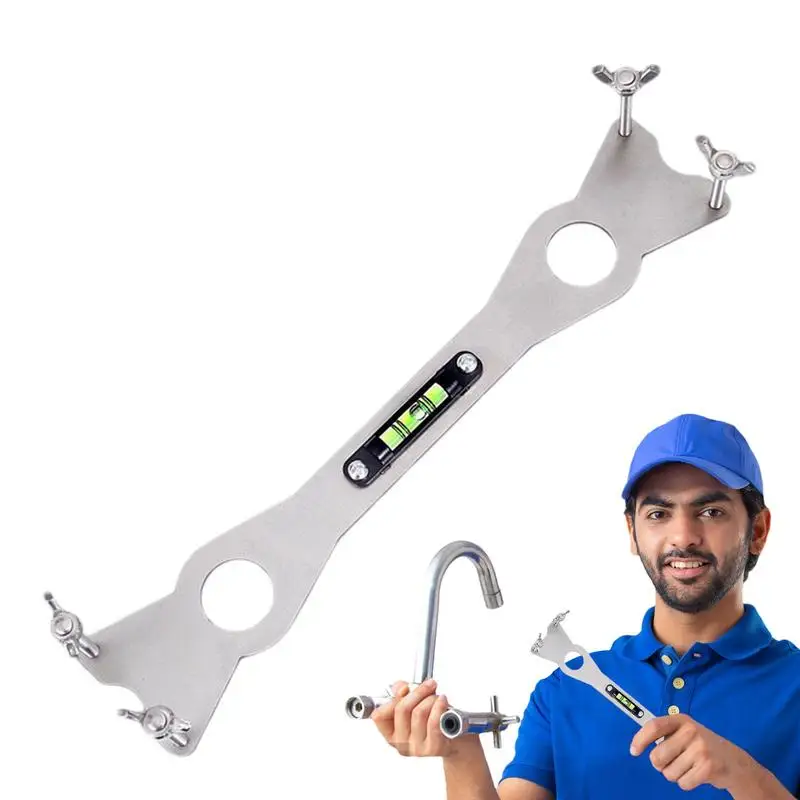 Where to Buy a Quality Plumbers Wrench
Finding a reliable plumbers wrench starts with knowing where to shop. Hardware stores like Home Depot, Lowe’s, and Ace Hardware carry top brands. You can examine the weight, grip, and action before buying.
Online retailers such as Amazon, Walmart.com, and Toolbarn offer wide selections. Customer reviews help identify durable models. Look for feedback about grip strength and longevity.
Specialty plumbing suppliers stock professional-grade tools. These may cost more but deliver better performance. Trade schools and contractor outlets also sell them.
Independent tool shops support local businesses. Staff often have hands-on experience. They can recommend the best model for your needs.
Whether online or in-store, compare prices and warranties. Many brands offer lifetime guarantees against defects.
What to Look for in a Trusted Brand
Brand reputation matters when choosing a plumbers wrench. Start by checking customer ratings. Look for consistent praise about durability and ease of use.
Warranty length indicates confidence. Lifetime warranties show trust in build quality. Brands like RIDGID and Kobalt stand behind their products.
Transparency is important. Reputable companies list materials, country of origin, and testing standards. Vague descriptions suggest lower quality.
Customer service responsiveness builds trust. Brands that answer questions quickly and honor claims earn loyalty.
Supporting ethical manufacturing feels good. Fair labor practices and sustainable production matter to many buyers.
By choosing wisely, you invest in a tool that lasts.
Frequently Asked Questions
What is a plumbers wrench used for? Tightening and loosening pipes and fittings.
Can it damage pipes? Only if misused. Use gentle pressure and proper fit.
Is it better than a pipe wrench? Yes. It grips without marring surfaces.
Can I use it on plastic pipes? Carefully. Use rubber inserts to prevent cracking.
How do I clean it? Wipe with a dry cloth. Lubricate the hinge monthly.
Does it work on square nuts? Not ideally. Use a box or socket wrench instead.
Are there lightweight options? Yes. Aluminum models are lighter but less strong.
Where can I find replacement jaws? Check manufacturer websites or tool suppliers.
 Final Thoughts
The plumbers wrench remains a vital tool for anyone dealing with pipes and fittings. Its powerful grip, self-tightening design, and durability make it superior to standard wrenches. From quick fixes to major installations, it delivers consistent results.
Whether you’re a homeowner or a licensed plumber, owning a quality plumbers wrench saves time and effort. It reduces frustration and prevents costly mistakes. With proper care, it serves reliably for years. So when you face your next plumbing challenge, make sure a trusted plumbers wrench is in your kit.
